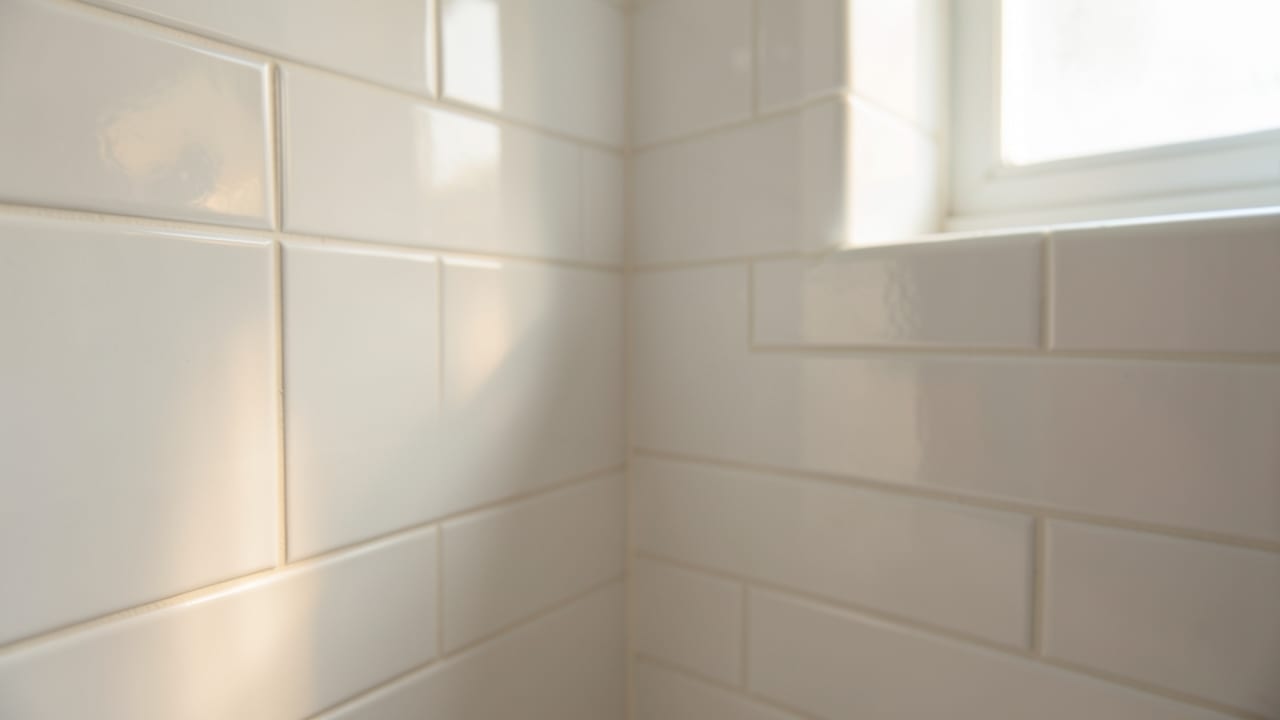
Bathroom Mold Removal
Professional assessment and removal of mold in bathrooms to restore a safe, clean environment.
Bathroom mold removal in Santa Barbara addresses hidden and visible mold growth in showers, walls, and under flooring, using containment, HEPA filtration, and moisture control to prevent regrowth.
Local conditions like coastal humidity and older homes increase the risk of mold in bathrooms, requiring professional remediation to ensure safe and lasting results.
We also handle Pantry Mold Treatment and Restaurant Mold Remediation for Santa Barbara properties.
When to call for professional help
Mold in bathrooms often starts small but can spread quickly behind tiles, under flooring, or inside walls. If you notice mold covering more than a small patch, returning after cleaning, or accompanied by a musty smell—especially when the HVAC runs—it’s a sign the problem requires professional attention.
In California, mold growth exceeding 25 contiguous square feet typically falls beyond DIY solutions.
Hidden mold, such as behind shower walls or under vinyl flooring, often goes untreated until it becomes widespread. A persistent musty odor or visible mold returning after cleaning suggests moisture sources like leaks, poor ventilation, or condensation are still active. Addressing these underlying issues is critical to prevent future growth.
Signs You Need Professional Mold Removal
- Mold covers more than a small, isolated patch (25+ sq ft).
- Visible mold keeps returning after cleaning.
- A musty smell persists even when no mold is visible.
- Mold appears in multiple areas (walls, ceiling, flooring).
- The smell worsens when the HVAC system turns on.
What affects cost and timeline
The cost of bathroom mold removal in Santa Barbara varies based on the size of the affected area, the extent of hidden growth, and whether black mold (Stachybotrys) is present.
Surface-level mold on drywall or tile typically costs between $600 and $2,400 per room, while confirmed black mold cases may push costs higher due to additional safety precautions and disposal requirements.
Timelines depend on containment setup, material removal, drying, and clearance testing. Jobs involving hidden mold or structural damage may take longer, as walls or flooring may need to be opened, treated, and properly dried before the space is sealed.
Always confirm whether an estimate includes inspection, testing, and clearance verification to avoid unexpected costs.
What to watch for in a quote
A clear, written scope of work is essential to avoid surprises during or after the job. Look for quotes that specify whether containment, clearance testing, and moisture source repairs are included—these steps are often priced separately.
Vague area estimates or pressure to sign a contract during the inspection visit can signal red flags.
Ask whether the quote separates remediation (removing existing mold) from prevention (fixing leaks or ventilation). Skipping moisture source repairs often leads to regrowth within months. Always verify the contractor’s California State License Board (CSLB) license for jobs over $500, as mold work falls under general building or specialty classifications.
| Red Flag | Why It Matters |
|---|---|
| No written scope of work | No way to compare bids or hold the contractor accountable. |
| Pressure to sign during inspection | Legitimate scopes take time to prepare accurately. |
| No mention of clearance testing | No independent confirmation the job worked. |
| Full payment upfront | Removes leverage if the work isn’t completed as promised. |
| Vague square footage estimates | Makes it hard to compare bids fairly. |
How bathroom mold removal works
Professional remediation follows strict steps to contain, remove, and prevent mold regrowth.
- 1Containment Setup
Plastic sheeting and negative-air machines seal off the bathroom to prevent spores from spreading to other areas during removal. This step is critical to avoid contaminating unaffected parts of the home.
- 2Material Removal and Cleaning
Porous materials like drywall or insulation that absorb mold are cut out and bagged, while non-porous surfaces like tile or framing are scrubbed and treated. HEPA-filtered equipment captures spores during this process.
- 3Structural Drying
Industrial dehumidifiers and air movers dry framing and subflooring to normal moisture levels before the space is sealed. Mold regrows if dampness remains, even after visible traces are removed.
- 4HEPA Filtration and Cleanup
HEPA air scrubbers run continuously during the job, and surfaces are vacuumed with HEPA-filtered tools to ensure spores are captured, not recirculated. Standard shop vacuums or non-HEPA filters fail to stop spores from spreading.
- 5Clearance Testing
An independent lab tests air or surfaces post-remediation to confirm spore counts are back to normal levels. This step verifies the work is complete before containment is removed.
Frequently asked questions
How do I know if my bathroom mold is black mold?
Black mold (Stachybotrys) is typically dark greenish-black and has a slimy texture. It often grows in areas with high moisture, like shower corners or behind grout. If you suspect black mold, professional testing can confirm the species, as visual identification isn’t always reliable.
Will my insurance cover bathroom mold removal?
Coverage depends on your policy and whether the mold resulted from a covered event, like a burst pipe. Many insurers exclude mold damage unless it’s part of a larger claim (e.g., water damage). Review your policy or contact your agent to confirm before hiring a contractor.
How long does it take to remediate a bathroom with mold?
Timelines vary based on the extent of mold and whether hidden growth or structural repairs are needed. Surface-level mold in a single room may take 1–3 days, while jobs involving wall or flooring removal can extend to a week or more, depending on drying and testing requirements.
Can I prevent mold from coming back after remediation?
Fixing the moisture source—such as leaks, poor ventilation, or condensation—is the best way to prevent regrowth. Using a small fan or dehumidifier in persistently damp areas and ensuring proper airflow can also help maintain dry conditions long-term.
Where Santa Barbara sits, and what the Census lists nearby
Santa Barbara sits in California, and the closest places listed in the U.S. Census Gazetteer are Mission Canyon (3.6 miles north), Montecito (4.7 miles east), Eastern Goleta Valley (4.9 miles northwest), Summerland (7.3 miles east).
Within 25 miles of Santa Barbara the same source lists 11 distinct incorporated places and census-designated places.
Those figures matter for bathroom mold removal because they are straight-line distances between Census coordinate points: road mileage between Santa Barbara and Mission Canyon runs longer than the 3.6 miles shown, which is why quotes for the same job differ between towns that look close together on a map.
Source: U.S. Census Bureau Gazetteer.
See Eastern Goleta Valley, CA for more, or discover everything Santa Barbara homeowners can book with us by neighborhood for our complete lineup.
Ready to get started?
Talk to a local mold remediation pro in Santa Barbara — get a written quote.
Other Mold Remediation Services in Santa Barbara
Pantry Mold Treatment in Santa Barbara, CA
Professional assessment and removal of mold in pantry areas to restore a safe, clean space.
Learn More
Restaurant Mold Remediation in Santa Barbara, CA
Professional mold removal and remediation for restaurant spaces to ensure safety and compliance.
Learn More
Retail Store Mold Remediation in Santa Barbara, CA
Professional mold removal and remediation for retail stores to restore safe, clean environments.
Learn More
Clinic Mold Remediation in Santa Barbara, CA
Professional mold removal and remediation to restore safe, healthy indoor spaces.
Learn More
Gym Mold Remediation in Santa Barbara, CA
Professional removal and treatment of mold in gyms to restore safe, clean environments.
Learn More
Fire Smoke Mold Remediation in Santa Barbara, CA
Professional cleanup and restoration of fire, smoke, and mold damage in homes.
Learn MoreCommon Questions About Mold Remediation in Santa Barbara
Everything you need to know about mold remediation services in Santa Barbara
How much does Bathroom Mold Removal typically cost in Santa Barbara, CA?
Does coastal humidity around Santa Barbara, CA change how mold risk is assessed?
Is a final clearance test part of a typical mold remediation job?
How does mold remediation actually prevent the problem from coming back?
Can mold growing inside HVAC ductwork spread to the rest of a home?
Does mold mean the same thing as mildew?
Need Mold Remediation in Santa Barbara?
Connect with local providers in Santa Barbara for a detailed quote.
⏰ We answer your call • Serving all of Santa Barbara and surrounding areas