
Clinic Mold Remediation
Professional mold removal and remediation to restore safe, healthy indoor spaces.
Clinic Mold Remediation in Santa Barbara specializes in addressing mold growth in homes by containing, removing, and preventing regrowth. Trained technicians use industry-standard methods to safely eliminate spores and treat surfaces, ensuring thorough cleanup tailored to Santa Barbara’s climate and housing types.
When to call for mold remediation
Mold in a home often starts small but can spread quickly if left unchecked. Visible growth covering more than a few square feet, recurring mold in the same spot, or a persistent musty odor—even without visible mold—are clear signs that professional remediation is needed.
We also handle Hospital Mold Removal and Warehouse Mold Cleanup for Santa Barbara properties.
These issues often indicate hidden moisture sources or contamination beyond what can be safely cleaned by a homeowner.
Santa Barbara’s coastal climate and older housing stock can create ideal conditions for mold. Poor ventilation, leaks, or high humidity in enclosed spaces like bathrooms or basements are common contributors.
If mold keeps returning after cleaning or spreads to multiple areas, it’s a sign the root cause—such as a moisture issue—hasn’t been addressed.
Signs You Need Professional Mold Remediation
- Mold covers more than 25 contiguous square feet (a common threshold for when DIY cleanup becomes unsafe).
- Mold keeps returning in the same spot after cleaning, suggesting an unresolved moisture source.
- A musty smell persists in a room with no visible mold, often indicating hidden growth behind walls or under flooring.
- Mold is found in HVAC ducts or vents, spreading spores through the entire home when the system runs.
- You notice health symptoms like coughing, sneezing, or skin irritation that improve when away from the home.
What affects pricing and timing
The cost and duration of mold remediation depend on the size of the affected area, the type of materials involved, and whether hidden moisture sources need to be addressed.
Porous materials like drywall or insulation often require removal rather than cleaning, while non-porous surfaces like tile or metal framing can be treated and reused. Containment, HEPA filtration, and clearance testing add time and cost but are essential for a thorough job.
Santa Barbara’s varied housing—from historic homes to modern developments—can influence the scope of work. Older homes may have more porous materials or hidden moisture issues, while newer builds might have better ventilation but still suffer from leaks or poor airflow.
Always ask for a detailed scope of work before proceeding to avoid surprises.
What to expect during remediation
Professional mold remediation follows a structured process to minimize disruption and ensure safety. The work area is sealed off with plastic sheeting and negative-air machines to prevent spores from spreading.
Porous materials are removed and disposed of properly, while non-porous surfaces are cleaned and treated. Industrial dehumidifiers and air movers dry the structure thoroughly to prevent regrowth.
Clearance testing by an independent lab confirms the job is complete before containment is removed. This step is critical—without it, there’s no way to verify whether spores have been fully eliminated. Skipping testing or using non-HEPA equipment can leave hidden contamination behind, leading to recurring issues.
| Step | Purpose | Tools/Methods Used |
|---|---|---|
| Containment | Prevents spores from spreading to unaffected areas. | Plastic sheeting, negative-air machines |
| Removal | Eliminates mold from porous materials that can’t be cleaned. | Cutting tools, HEPA-vacuumed disposal bags |
| Cleaning/Treatment | Restores non-porous surfaces and inhibits regrowth. | Antimicrobial sealants, HEPA-filtered scrubbing |
| Structural Drying | Reduces moisture to levels that prevent future growth. | Industrial dehumidifiers, air movers |
| Clearance Testing | Confirms spore levels are back to normal before completion. | Independent lab air/surface sampling |
How mold remediation works in your home
Remediation follows a step-by-step process to safely contain, remove, and treat mold while preventing regrowth.
- 1Contain the Area
Plastic sheeting and negative-air machines seal off the work zone to trap spores during removal, preventing them from spreading to other parts of the home.
- 2Remove Contaminated Materials
Porous materials like drywall or carpet padding—where mold grows deep into the fibers—are cut out and bagged for disposal, while non-porous surfaces like tile or metal are cleaned and treated.
- 3Clean and Treat Surfaces
Non-porous materials are scrubbed with HEPA-filtered equipment and sealed with antimicrobial treatments to inhibit future growth, ensuring a thorough cleanup.
- 4Dry the Structure
Industrial dehumidifiers and air movers reduce moisture levels in framing and subfloors to normal ranges, as damp materials encourage regrowth even after visible mold is gone.
- 5Test for Clearance
An independent lab conducts air or surface sampling to confirm spore counts are within normal ranges before containment is removed and the area is considered finished.
Frequently asked questions
Can I clean small mold patches myself, or should I call a professional?
Small, isolated patches (under 25 sq ft) can often be cleaned with household products like vinegar or bleach, but only if the surface is non-porous and the moisture source is fixed. If the mold keeps coming back or spreads, professional remediation is safer and more effective.
How do I know if mold is hidden behind walls or under flooring?
Persistent musty odors, visible mold in adjacent areas, or water stains on ceilings/walls are strong signs of hidden growth. If you suspect hidden mold, a professional can use moisture meters or infrared cameras to locate it before it spreads further.
Will remediation fix the moisture problem that caused the mold in the first place?
Remediation removes existing mold, but fixing the moisture source—like a leak, poor ventilation, or grading issues—is critical to prevent regrowth. Always ask your technician to identify and address the root cause during the inspection.
How long should I stay out of the house during remediation?
Most homeowners can remain in the home during containment and removal, as long as unaffected areas are sealed off. However, high-spore situations or sensitive individuals (like those with allergies or respiratory issues) may need to relocate temporarily for safety.
Where Santa Barbara sits, and what the Census lists nearby
Santa Barbara sits in California, and the closest places listed in the U.S. Census Gazetteer are Mission Canyon (3.6 miles north), Montecito (4.7 miles east), Eastern Goleta Valley (4.9 miles northwest), Summerland (7.3 miles east).
Within 25 miles of Santa Barbara the same source lists 11 distinct incorporated places and census-designated places.
Those figures matter for clinic mold remediation because they are straight-line distances between Census coordinate points: road mileage between Santa Barbara and Mission Canyon runs longer than the 3.6 miles shown, which is why quotes for the same job differ between towns that look close together on a map.
Source: U.S. Census Bureau Gazetteer.
See Summerland, CA for more, or discover our full Santa Barbara-area coverage by service type for our complete lineup.
Ready to get started?
Talk to a local mold remediation pro in Santa Barbara — get a written quote.
Other Mold Remediation Services in Santa Barbara

Hospital Mold Removal in Santa Barbara, CA
Professional assessment and removal of mold in hospitals to ensure a safe, healthy environment.
Learn More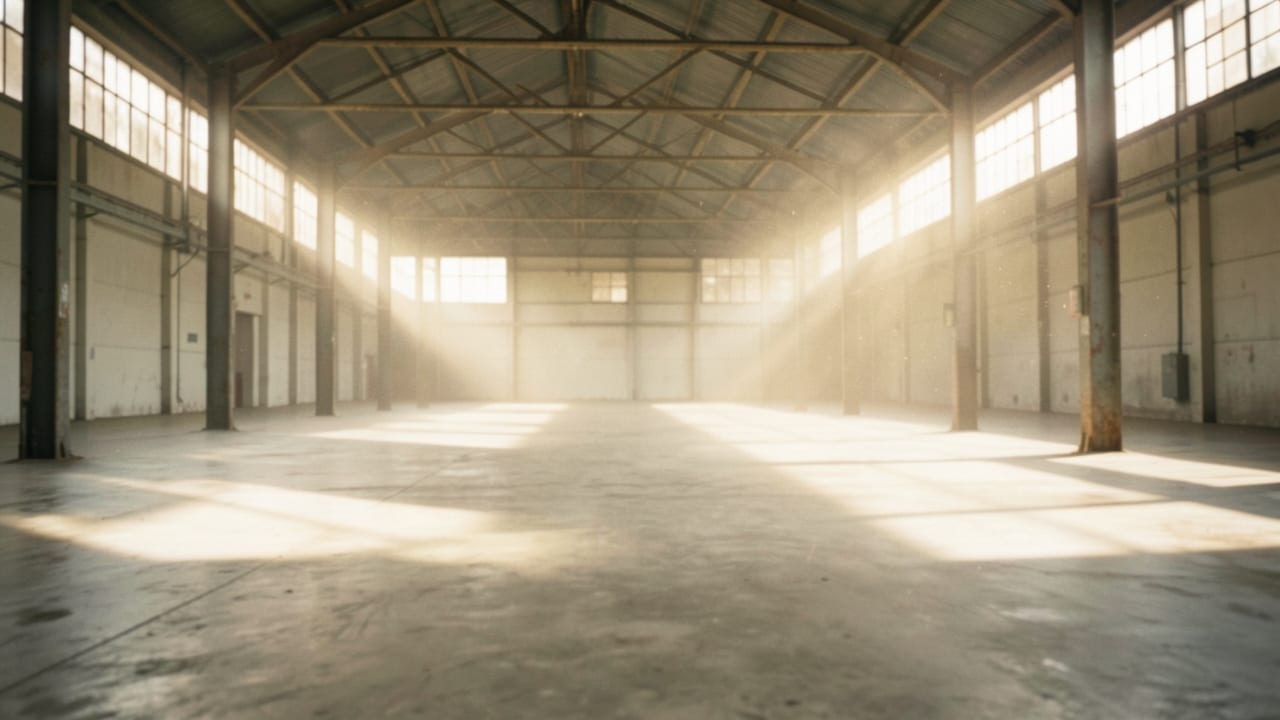
Warehouse Mold Cleanup in Santa Barbara, CA
Professional removal of mold from warehouse spaces to restore safe, clean conditions.
Learn More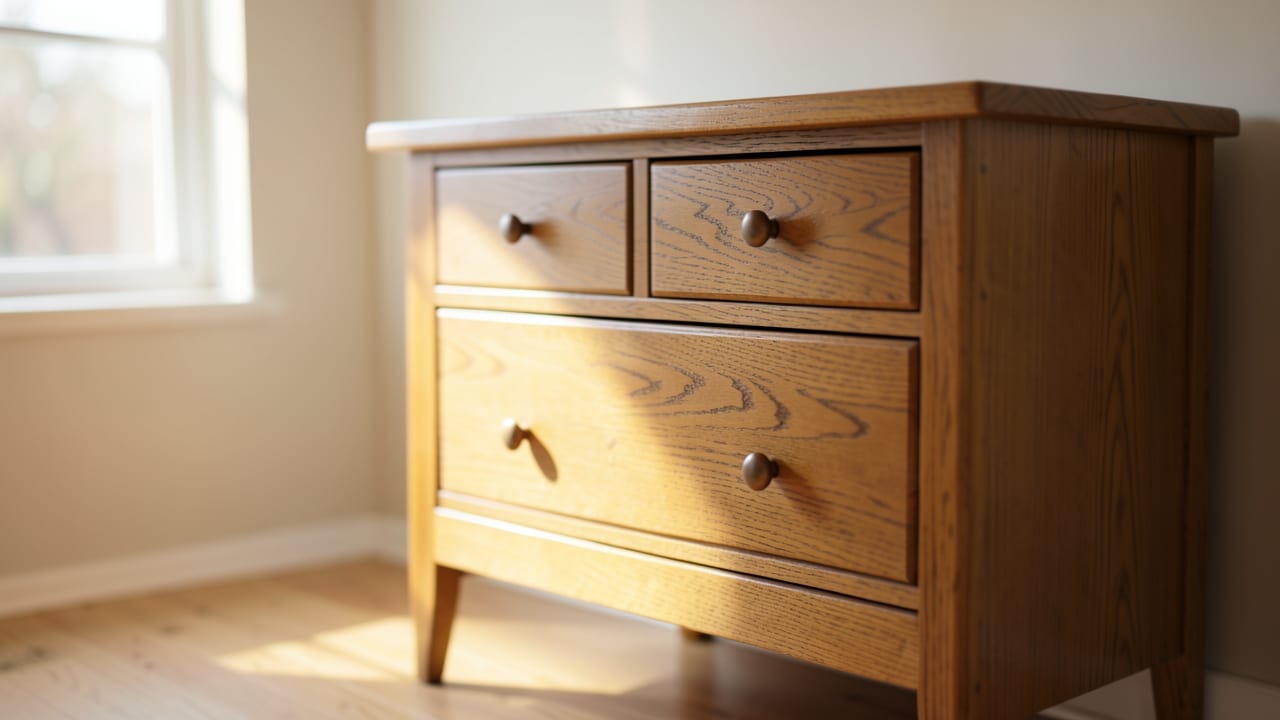
Wood Furniture Mold Remediation in Santa Barbara, CA
Professional removal and treatment of mold from wood furniture to restore safety and appearance.
Learn More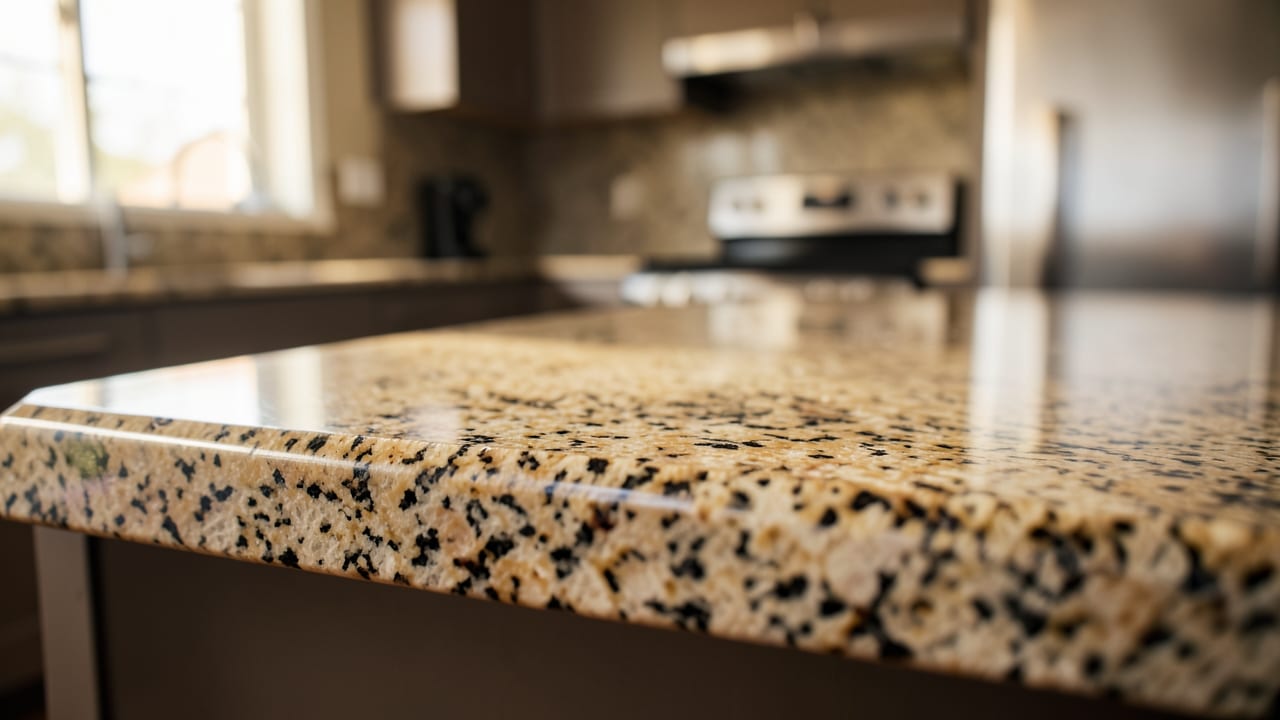
Stone Countertop Mold Removal in Santa Barbara, CA
Professional removal of mold from stone countertops using specialized cleaning and treatment methods.
Learn More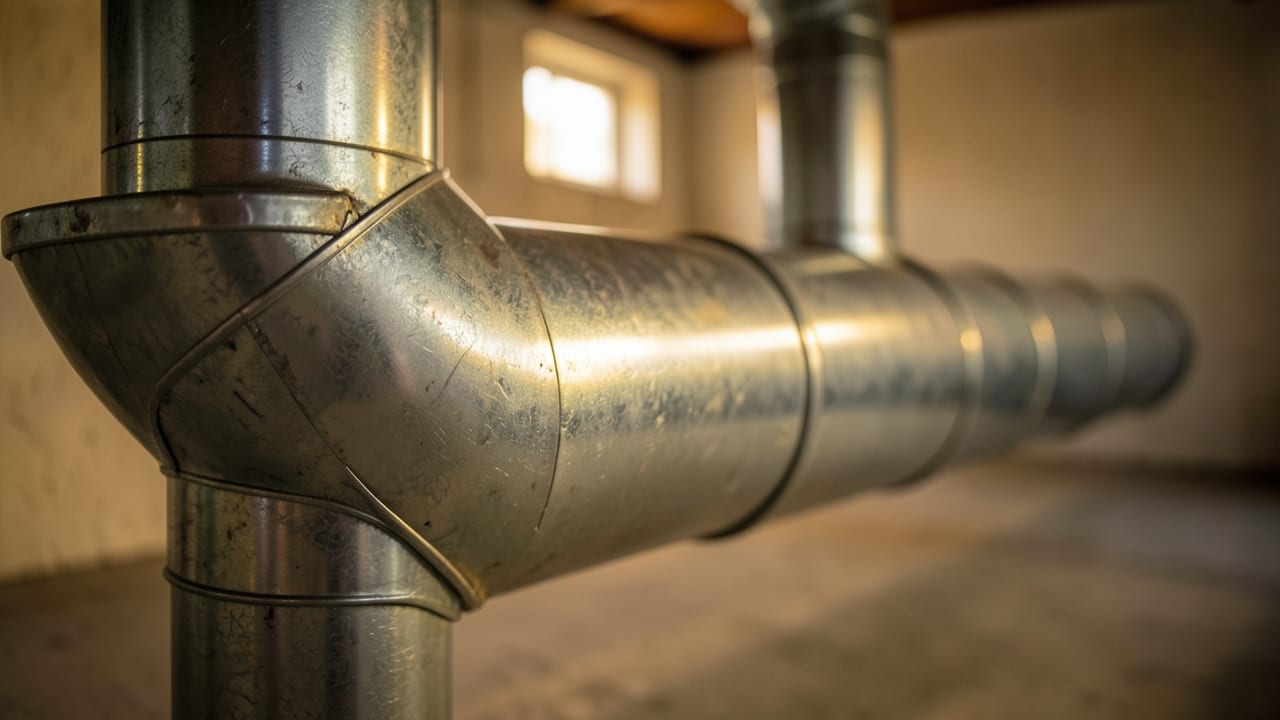
Metal Ductwork Mold Remediation in Santa Barbara, CA
Professional removal of mold from metal ductwork to restore indoor air quality.
Learn More
Glass Window Mold Removal in Santa Barbara, CA
Professional removal of mold from glass windows and frames to restore clarity and prevent spread.
Learn MoreCommon Questions About Mold Remediation in Santa Barbara
Everything you need to know about mold remediation services in Santa Barbara
How much does Clinic Mold Remediation typically cost in Santa Barbara, CA?
Does coastal humidity around Santa Barbara, CA change how mold risk is assessed?
Is black mold actually more dangerous than other mold types?
How long does a typical mold remediation job take?
Is it safe to stay in the home during mold remediation?
Can small mold problems be handled without hiring anyone?
Need Mold Remediation in Santa Barbara?
Connect with local providers in Santa Barbara for a detailed quote.
⏰ We answer your call • Serving all of Santa Barbara and surrounding areas