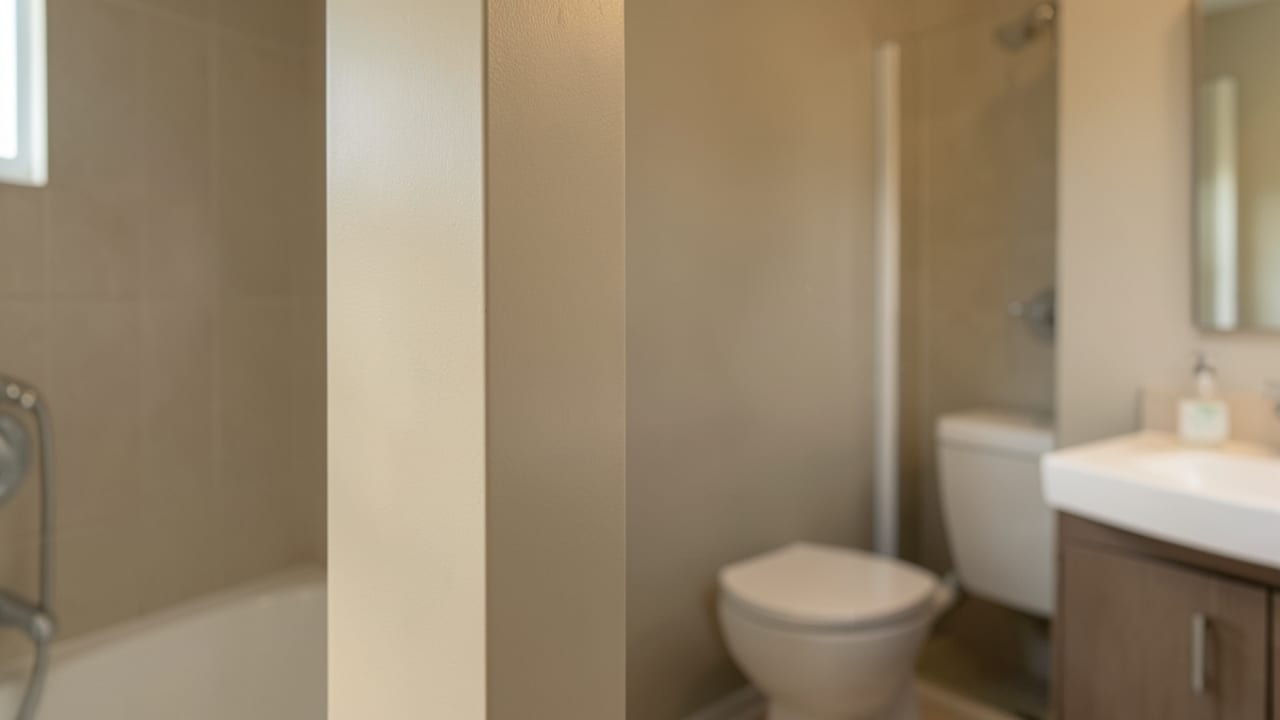
Pipe Leak Mold Removal
Professional removal of mold caused by pipe leaks in homes.
Pipe leak mold removal in Santa Barbara addresses hidden fungal growth caused by water intrusion from leaks behind walls, under floors, or in ceilings. The process involves fixing the moisture source, containing spores, removing contaminated materials, and restoring affected areas to prevent regrowth.
This service is essential for homes in Santa Barbara’s humid coastal climate, where leaks can quickly lead to extensive mold damage if left unchecked.
We also handle Hospital Mold Removal and Warehouse Mold Cleanup for Santa Barbara properties.
When pipe leak mold removal is needed
Pipe leak mold often goes unnoticed until it spreads beyond a small patch. In Santa Barbara, signs that professional remediation is needed include mold covering more than a few square feet, recurring growth after cleaning, or a musty smell with no visible source.
These indicate hidden moisture or improper prior treatment.
Hidden leaks behind walls or under floors are common in older homes or areas with frequent plumbing issues. If mold keeps returning in the same spot, the moisture source—like a pipe leak—has likely not been addressed.
A strong musty odor when HVAC runs may also signal mold in ductwork, spreading spores throughout the home.
Signs You Need Pipe Leak Mold Removal
- Mold covers more than 25 square feet of a single surface (California’s threshold for DIY cleanup).
- Growth returns within weeks or months after cleaning, suggesting an unresolved moisture source.
- A musty smell persists with no visible mold, often indicating hidden growth behind walls or under floors.
- The HVAC system spreads a musty odor when running, suggesting mold in ductwork or return vents.
How pricing and scope affect costs
Costs for pipe leak mold removal in Santa Barbara vary based on the size of the affected area, the extent of material removal, and whether black mold (Stachybotrys) is confirmed. Pricing is typically calculated per square foot of treated space, with additional charges for containment, clearance testing, and structural drying.
Hidden leaks or extensive damage behind walls can increase costs, as they require more demolition and labor. Independent clearance testing—required to confirm the job’s effectiveness—is often billed separately. Always verify whether a quote includes inspection, containment, remediation, and post-remediation testing to avoid unexpected expenses.
What to watch for before hiring a contractor
Not all mold remediation quotes are equal. Some may exclude critical steps like containment, HEPA filtration, or clearance testing, which are essential for preventing spores from spreading or regrowing. Always ask whether the estimate includes fixing the moisture source—like repairing a pipe leak—as well as removing mold.
Avoid contractors who pressure you to sign a contract during the inspection or demand full payment upfront. A detailed, written scope of work is non-negotiable, as it protects you from unexpected costs or incomplete remediation.
Independent clearance testing by a third party ensures the job meets California’s health and safety standards.
Avoid bids that exclude containment, clearance testing, or moisture-source repairs. Pressure to sign immediately or pay in full upfront are common tactics to skip proper safeguards.
How pipe leak mold removal works
This process ensures hidden mold is safely removed and moisture sources are fixed to prevent recurrence.
- 1Containment Setup
Plastic sheeting and negative-air machines seal the work area to prevent spores from spreading. This step is critical for keeping contamination localized.
- 2Material Removal or Treatment
Porous materials like drywall or insulation—absorbed with mold—are cut out and bagged, while non-porous surfaces (tile, framing) are cleaned and treated.
- 3HEPA Filtration and Structural Drying
HEPA air scrubbers run continuously during removal, and industrial dehumidifiers dry framing/subfloors to normal moisture levels before closing walls.
- 4Moisture Source Repair
The pipe leak or other water intrusion is identified and fixed to stop future mold growth. This step is often overlooked but essential for long-term results.
- 5Clearance Testing
An independent lab tests air or surfaces post-remediation to confirm spore levels are back to normal before containment is removed.
Frequently asked questions
How do I know if my mold is from a pipe leak?
Look for water stains, dampness, or a musty smell near pipes, under sinks, or along baseboards. If mold keeps reappearing in the same spot, a hidden leak is likely the cause. A professional inspection can pinpoint the source.
Can I clean mold from a pipe leak myself?
Small, isolated patches (under 25 sq ft) can be cleaned with vinegar or bleach, but hidden leaks or extensive growth require professional remediation. DIY methods often miss spores deep in materials, leading to regrowth.
What should I do if mold spreads while the remediation crew is working?
Notify the crew immediately. A breach in containment—like an open door or torn plastic—can release spores. Proper containment is designed to prevent this, but human error can happen.
How long does it take to remediate pipe leak mold?
Timing depends on the size of the affected area and whether hidden leaks require repairs. Small jobs may take a day, while extensive damage behind walls can take weeks, including drying and testing.
Where Santa Barbara sits, and what the Census lists nearby
Santa Barbara sits in California, and the closest places listed in the U.S. Census Gazetteer are Mission Canyon (3.6 miles north), Montecito (4.7 miles east), Eastern Goleta Valley (4.9 miles northwest), Summerland (7.3 miles east).
Within 25 miles of Santa Barbara the same source lists 11 distinct incorporated places and census-designated places.
Those figures matter for pipe leak mold removal because they are straight-line distances between Census coordinate points: road mileage between Santa Barbara and Mission Canyon runs longer than the 3.6 miles shown, which is why quotes for the same job differ between towns that look close together on a map.
Source: U.S. Census Bureau Gazetteer.
See Isla Vista, CA for more, or check out our full Santa Barbara-area coverage across the area for our complete lineup.
Ready to get started?
Talk to a local mold remediation pro in Santa Barbara — get a written quote.
Other Mold Remediation Services in Santa Barbara

Hospital Mold Removal in Santa Barbara, CA
Professional assessment and removal of mold in hospitals to ensure a safe, healthy environment.
Learn More
Warehouse Mold Cleanup in Santa Barbara, CA
Professional removal of mold from warehouse spaces to restore safe, clean conditions.
Learn More
Wood Furniture Mold Remediation in Santa Barbara, CA
Professional removal and treatment of mold from wood furniture to restore safety and appearance.
Learn More
Stone Countertop Mold Removal in Santa Barbara, CA
Professional removal of mold from stone countertops using specialized cleaning and treatment methods.
Learn More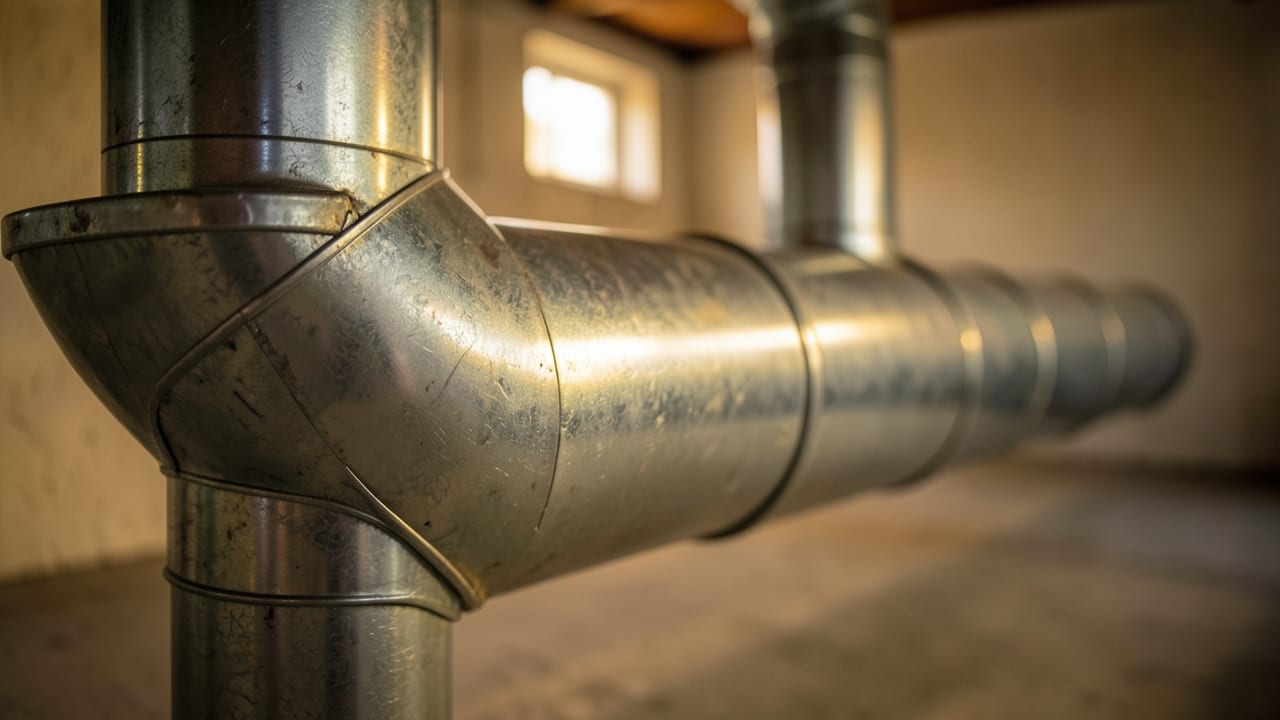
Metal Ductwork Mold Remediation in Santa Barbara, CA
Professional removal of mold from metal ductwork to restore indoor air quality.
Learn More
Glass Window Mold Removal in Santa Barbara, CA
Professional removal of mold from glass windows and frames to restore clarity and prevent spread.
Learn MoreCommon Questions About Mold Remediation in Santa Barbara
Everything you need to know about mold remediation services in Santa Barbara
How much does Pipe Leak Mold Removal typically cost in Santa Barbara, CA?
Does coastal humidity around Santa Barbara, CA change how mold risk is assessed?
Can small mold problems be handled without hiring anyone?
What's the actual difference between mold removal and mold remediation?
Is a final clearance test part of a typical mold remediation job?
How does mold remediation actually prevent the problem from coming back?
Need Mold Remediation in Santa Barbara?
Connect with local providers in Santa Barbara for a detailed quote.
⏰ We answer your call • Serving all of Santa Barbara and surrounding areas