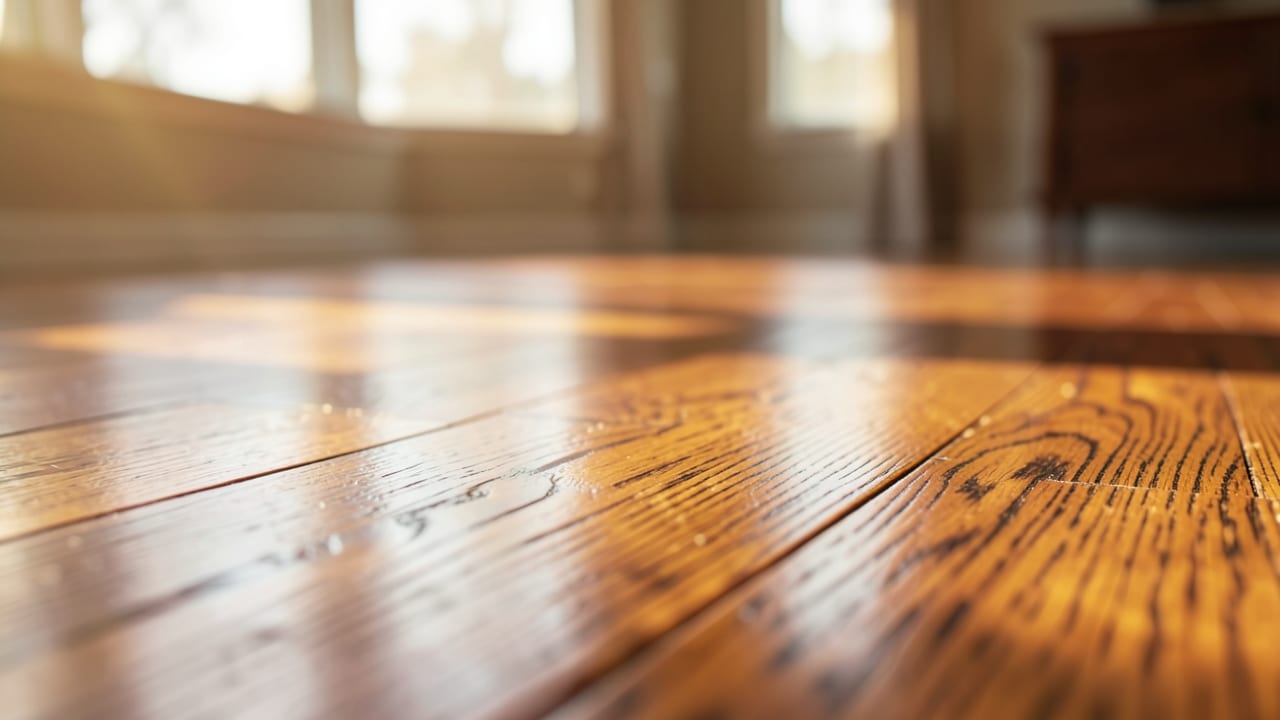
Water Damage Restoration
Water damage restoration in Santa Barbara, CA — extraction and structural drying to stop mold growth before it starts, following a leak, storm, or flood.
In Santa Barbara’s mild coastal climate, water damage can linger and mold can start within 24–48 hours. Fast, professional water damage restoration—extracting standing water and structurally drying affected areas—prevents costly mold growth and protects your home’s integrity.
Why Santa Barbara Needs Fast Water Damage Response
Santa Barbara’s Mediterranean climate with persistent marine layers means moisture lingers longer than in drier regions. Even a small leak can saturate walls, subfloors, and cavities, creating ideal conditions for mold.
We also handle Laundry Room Mold Cleanup and Plaster Mold Remediation for Santa Barbara properties.
Professional restoration counters this by removing standing water immediately and using industrial air movers and dehumidifiers to dry hidden spaces before the 24–48 hour mold window closes.
| Signs You Need Water Damage Restoration | Why It Matters |
|---|---|
| Visible water or damp spots on floors/walls | Standing water or trapped moisture feeds mold growth within 48 hours |
| Musty odors in a room or closet | Indicates hidden moisture in wall cavities or subflooring |
| Peeling paint, warped flooring, or bubbling drywall | Structural damage from prolonged moisture exposure |
| Recent water event (burst pipe, appliance leak, storm) | Even minor leaks require fast drying to prevent long-term issues |
What to Expect During Restoration
We start by extracting all standing water using high-powered pumps, then deploy industrial-grade air movers and dehumidifiers to dry framing, subfloors, and wall cavities—not just surfaces.
Moisture meters track progress daily until readings return to normal baselines. Photo documentation and a moisture-mapping report are provided for insurance claims, ensuring transparency and accuracy.
How Water Damage Restoration Works
Our process ensures thorough drying to prevent mold and structural damage.
- 1
Standing water is removed immediately using submersible pumps and wet vacuums to prevent further saturation.
- 2Structural Drying Setup
Industrial air movers and dehumidifiers are placed to target hidden moisture in walls, subfloors, and cavities.
- 3Daily Moisture Monitoring
Moisture meters track drying progress in all affected areas until readings match normal baselines.
- 4Documentation & Reporting
Photo documentation and a written moisture-mapping report are provided for insurance claims and your records.
Frequently Asked Questions
How quickly do I need to call after a water event?
Call as soon as it’s safe. Mold can begin growing within 24–48 hours, so fast extraction and drying are critical, especially in Santa Barbara’s humid coastal climate.
Will my insurance cover water damage restoration?
Most policies cover sudden and accidental water damage. We provide detailed photo documentation and moisture-mapping reports to support your claim.
How do you know when the drying is complete?
We use moisture meters to confirm readings return to normal baselines throughout the structure. A space may feel dry but still hold damaging moisture inside walls.
What factors affect the cost of water damage restoration?
Pricing depends on the extent of water intrusion, the size of the affected area, and the drying time required. Hidden moisture in wall cavities or subfloors may increase the scope.
See Cuyama, CA for more, or find out about what's included in our Santa Barbara service before booking for our complete lineup.
Ready to get started?
Talk to a local mold remediation pro in Santa Barbara — get a written quote.
Other Mold Remediation Services in Santa Barbara
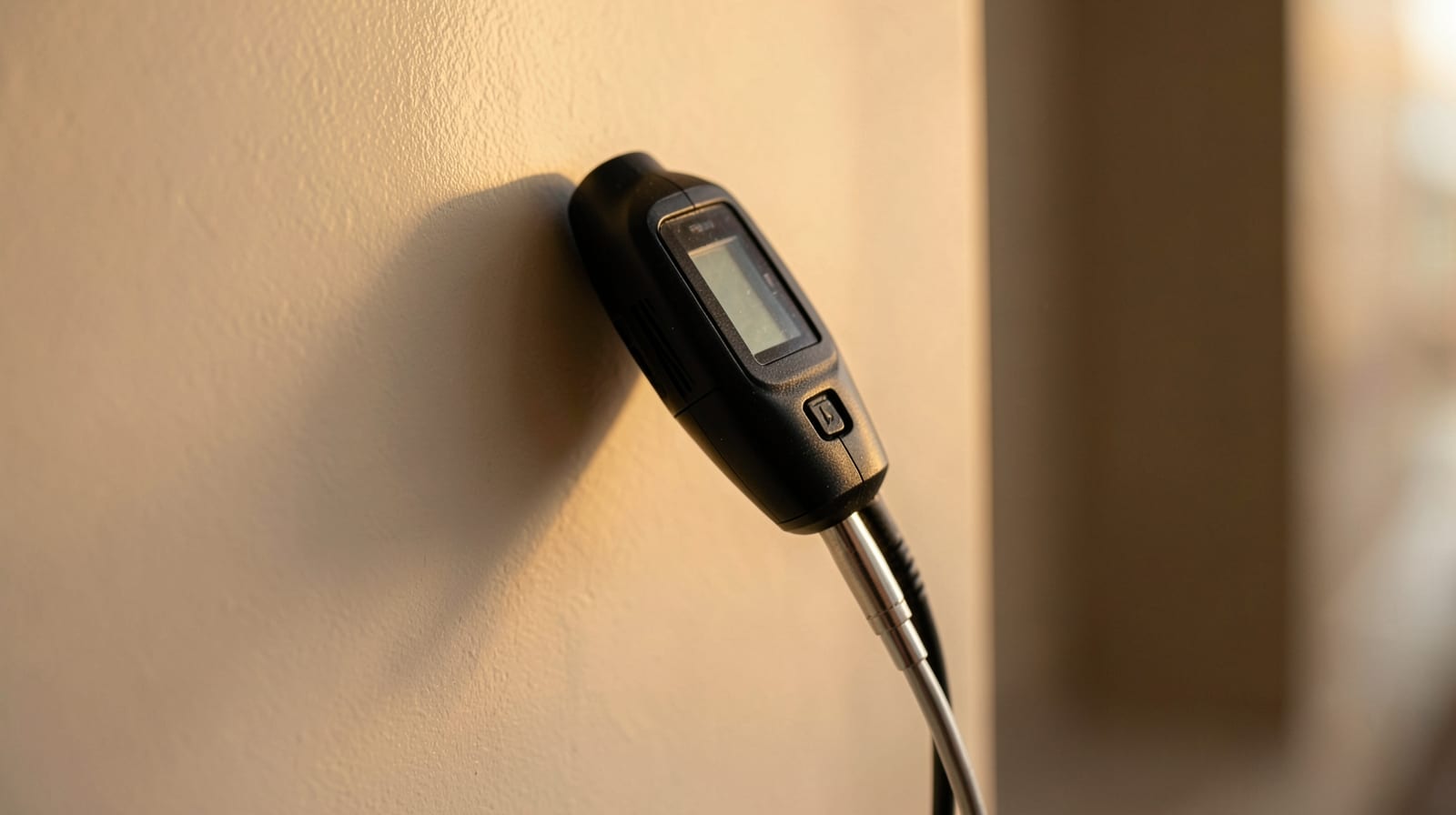
Laundry Room Mold Cleanup in Santa Barbara, CA
Professional mold removal and remediation in laundry rooms to restore a safe, clean space.
Learn More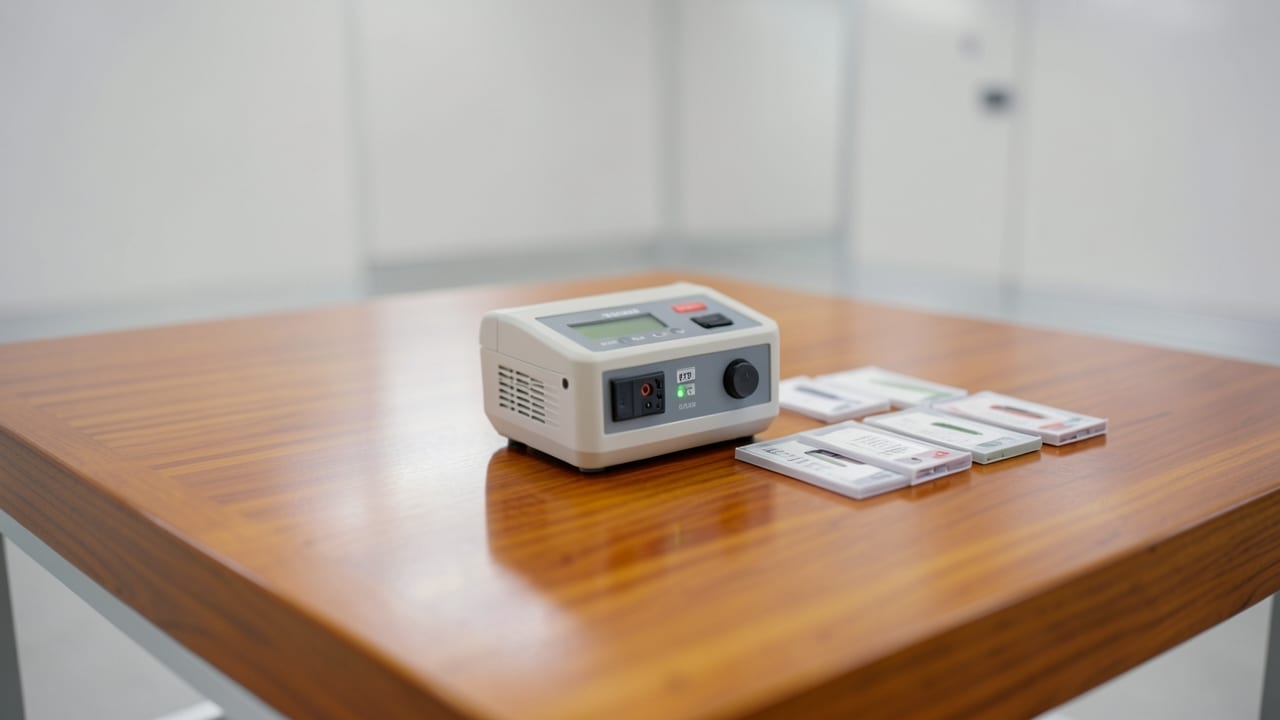
Plaster Mold Remediation in Santa Barbara, CA
Professional removal and treatment of mold from plaster surfaces in homes.
Learn More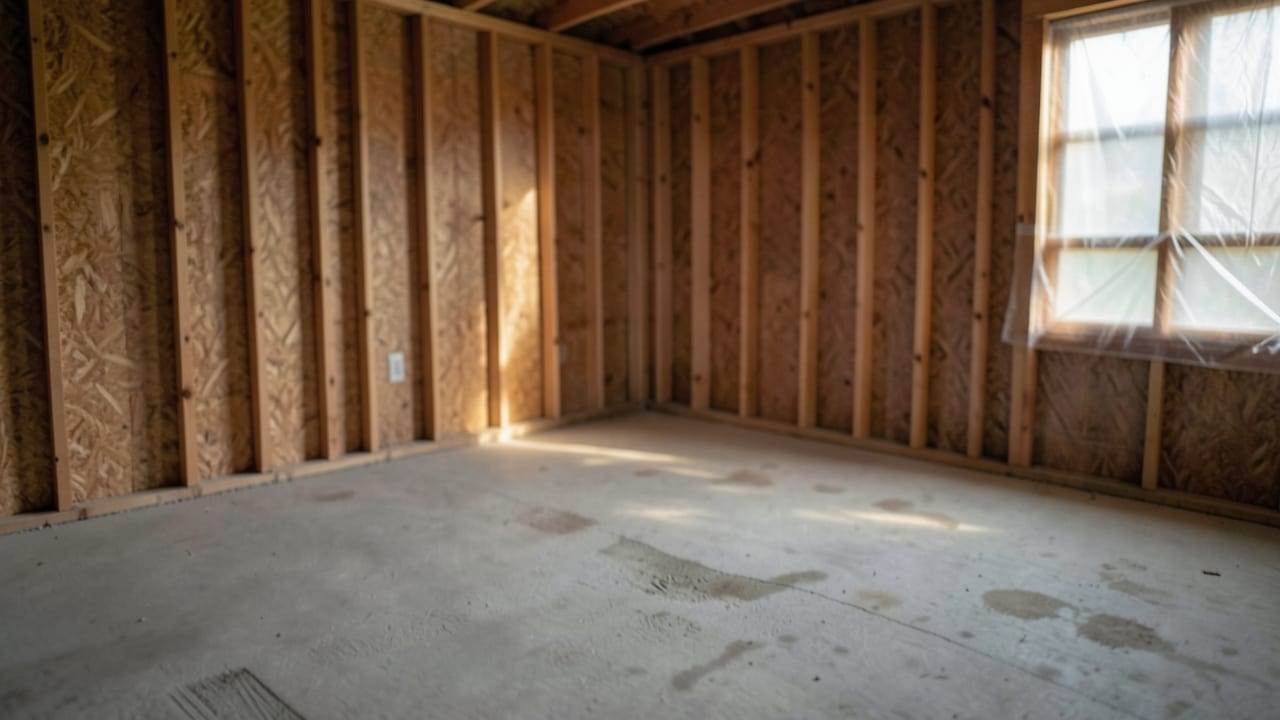
Ceiling Mold Removal in Santa Barbara, CA
Professional removal of mold growth from ceilings, including containment and cleanup.
Learn More Sewer Backup Mold Cleanup in Santa Barbara, CA
Professional cleanup of mold caused by sewer backups in homes.
Learn More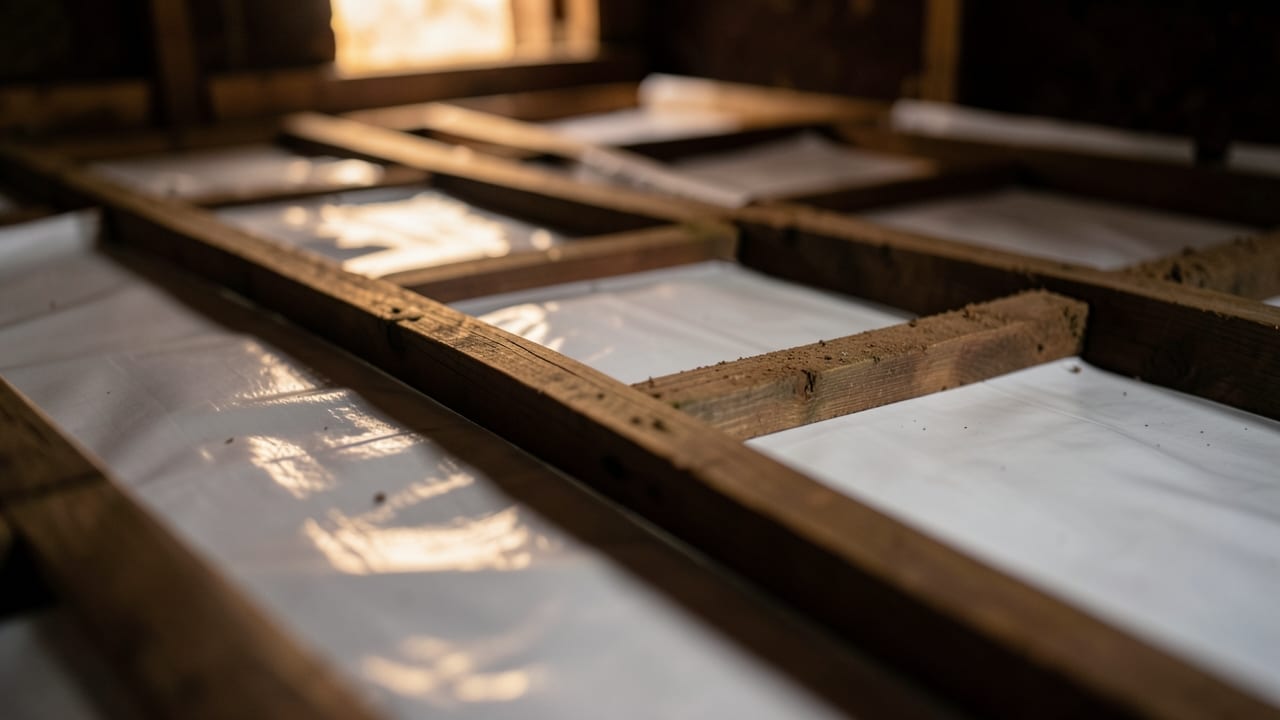
Pipe Leak Mold Removal in Santa Barbara, CA
Professional removal of mold caused by pipe leaks in homes.
Learn More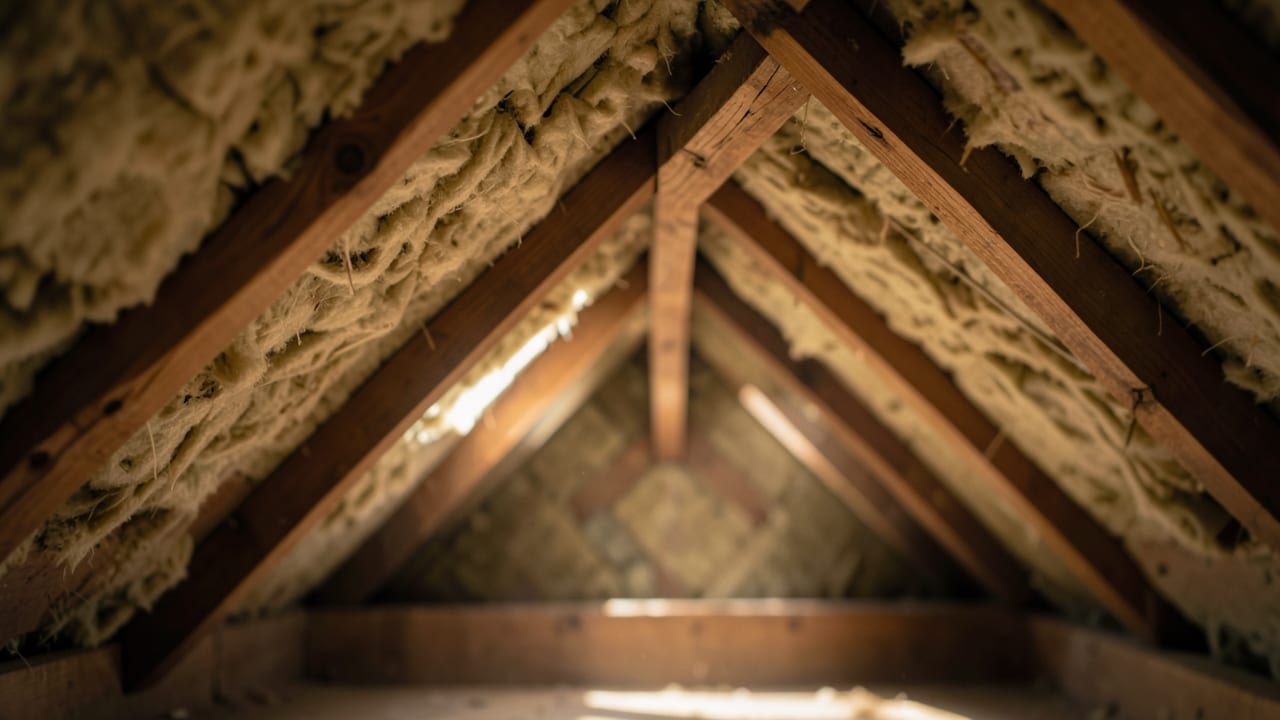
Roof Leak Mold Remediation in Santa Barbara, CA
Professional removal of mold caused by roof leaks to restore a safe, healthy home environment.
Learn MoreCommon Questions About Mold Remediation in Santa Barbara
Everything you need to know about mold remediation services in Santa Barbara
How much does Water Damage Restoration typically cost in Santa Barbara, CA?
Does coastal humidity around Santa Barbara, CA change how mold risk is assessed?
Can mold growing inside HVAC ductwork spread to the rest of a home?
Does mold mean the same thing as mildew?
Does homeowners insurance typically cover mold remediation?
Is black mold actually more dangerous than other mold types?
Need Mold Remediation in Santa Barbara?
Connect with local providers in Santa Barbara for a detailed quote.
⏰ We answer your call • Serving all of Santa Barbara and surrounding areas