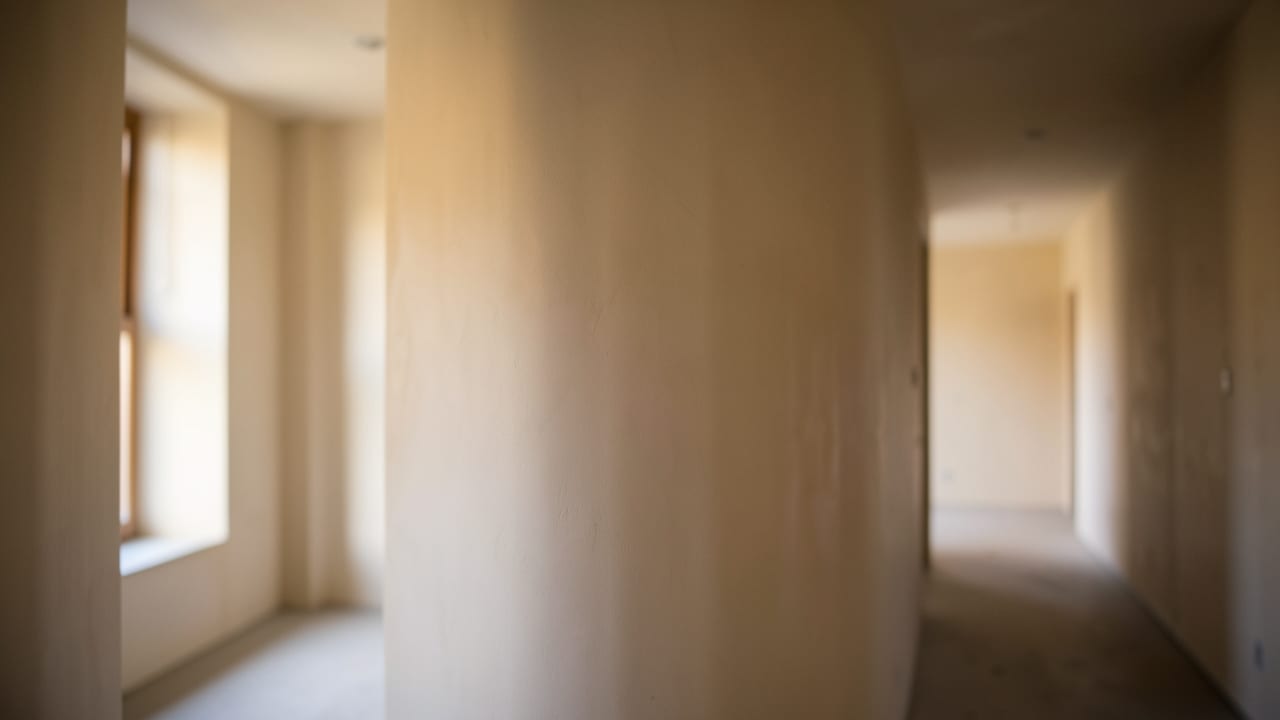
Plaster Mold Remediation
Professional removal and treatment of mold from plaster surfaces in homes.
In Santa Barbara’s humid coastal climate, plaster mold remediation addresses hidden growth behind walls and ceilings, where moisture and organic materials create ideal conditions for spores.
Unlike surface cleaning, this process involves containment, removal of contaminated plaster, and structural drying to prevent regrowth—critical for maintaining indoor air quality in homes across the region.
We also handle Mold & Asbestos Testing and HVAC Mold Remediation for Santa Barbara properties.
When to act: signs mold in plaster needs professional help
Visible mold covering more than a small patch (about 10 square feet) often signals a deeper issue. In Santa Barbara, where plaster walls are common, hidden moisture behind surfaces can spread spores throughout a home’s HVAC system if not contained properly.
A musty smell with no visible mold, or growth that returns after cleaning, typically means the moisture source—like a leak or poor ventilation—hasn’t been addressed.
Rooms that stay damp—such as windowless bathrooms, basements, or closets—are high-risk areas. If mold keeps reappearing in the same spot, it’s a sign the underlying problem (condensation, grading issues, or plumbing leaks) needs fixing alongside removal.
Skipping containment or using non-HEPA equipment can turn a contained job into a larger infestation by spreading spores to unaffected areas.
Red Flags for Plaster Mold in Your Home
- Mold covers more than 10 square feet in one area (California’s unofficial threshold for professional work).
- Growth returns within weeks after cleaning, suggesting the moisture source isn’t fixed.
- A musty smell persists even after visible mold is wiped down—often indicates hidden growth.
- HVAC vents or ductwork smell damp or moldy when the system runs, spreading spores room-to-room.
- Plaster walls or ceilings show dark streaks, bubbling, or crumbling, signs of deep moisture damage.
What affects cost and timeline?
The scope of plaster mold remediation varies widely based on the size of the affected area, the extent of hidden growth, and whether structural drying or moisture source repairs are needed.
In Santa Barbara, single-room jobs typically range from small patches to entire walls, with labor and material costs scaling accordingly. Confirmed black mold (Stachybotrys) may require additional containment time and air scrubbing, increasing both cost and project duration.
Timing depends on drying requirements—industrial dehumidifiers and air movers may run for days to weeks to bring moisture levels down to safe ranges. Clearance testing, performed by an independent lab, ensures spores are no longer present before containment is removed, adding 1–3 days to the process.
Jobs that uncover hidden mold behind plaster often take longer and cost more than initially estimated.
Why containment and testing matter
Plaster mold remediation isn’t just about removing visible growth—it’s about stopping spores from spreading. Containment uses plastic sheeting and negative-air machines to trap disturbed spores during removal, preventing them from migrating through hallways or HVAC systems.
Without this step, spores can settle in unaffected rooms, turning a small job into a whole-house issue.
Clearance testing, performed by an independent lab after remediation, confirms spore counts are back to normal levels. This step is critical because it verifies the work, not just the crew’s effort. Skipping it leaves uncertainty about whether hidden mold remains or if the problem will return.
Using a standard shop vacuum or non-HEPA air scrubber recirculates spores instead of capturing them, worsening contamination. Paying upfront without a written scope leaves no recourse if the job isn’t completed as promised. Signing a contract during the same visit as the inspection rushes the process and may skip critical steps like containment or testing.
How plaster mold remediation works
This process focuses on containment, safe removal, and structural drying to eliminate mold and prevent regrowth.
- 1Containment Setup
Plastic sheeting seals off the work area, and negative-air machines create a vacuum that pulls spores away from the rest of the home. This step prevents cross-contamination during removal.
- 2Removal of Contaminated Plaster
Infected plaster is cut out and bagged inside containment. Non-porous surfaces like tile or framing are cleaned with antimicrobial treatments rather than discarded.
- 3HEPA Filtration and Cleanup
HEPA air scrubbers run continuously, and surfaces are vacuumed with HEPA-equipped tools to capture disturbed spores. Standard vacuums or filters won’t stop spores from spreading.
- 4Structural Drying
Industrial dehumidifiers and air movers reduce moisture in framing and subfloors to safe levels (below 60% relative humidity). Mold regrows on damp materials even after visible traces are gone.
- 5Clearance Testing
An independent lab tests air or surfaces for remaining spores. Results determine whether containment can be removed and the area is considered finished.
Frequently asked questions
How do I know if my plaster mold issue is too big for DIY cleaning?
If mold covers more than 10 square feet, keeps returning after cleaning, or you notice a musty smell with no visible growth, professional remediation is recommended. Plaster walls hide moisture, so surface cleaning often misses hidden spores.
Will my insurance cover plaster mold remediation?
Some policies cover mold damage if it’s linked to a covered event (like a leak or storm), but exclusions vary. Check your policy for “fungal remediation” coverage and document the issue with photos and inspections before filing a claim.
How long does it take to remediate mold in plaster walls?
Single-room jobs typically take 3–7 days, depending on drying time and whether hidden mold is found. Clearance testing adds 1–3 extra days. Jobs with extensive hidden growth or black mold may take longer.
Can I stay in my home during remediation?
Yes, but affected areas are sealed off. Avoid entering containment zones, and ensure HVAC systems aren’t running during the process to prevent spore spread. Ventilation fans in other rooms can help maintain airflow.
Where Santa Barbara sits, and what the Census lists nearby
Santa Barbara sits in California, and the closest places listed in the U.S. Census Gazetteer are Mission Canyon (3.6 miles north), Montecito (4.7 miles east), Eastern Goleta Valley (4.9 miles northwest), Summerland (7.3 miles east).
Within 25 miles of Santa Barbara the same source lists 11 distinct incorporated places and census-designated places.
Those figures matter for plaster mold remediation because they are straight-line distances between Census coordinate points: road mileage between Santa Barbara and Mission Canyon runs longer than the 3.6 miles shown, which is why quotes for the same job differ between towns that look close together on a map.
Source: U.S. Census Bureau Gazetteer.
See Oxnard, CA for more, or check out the rest of our Santa Barbara lineup in detail for our complete lineup.
Ready to get started?
Talk to a local mold remediation pro in Santa Barbara — get a written quote.
Other Mold Remediation Services in Santa Barbara
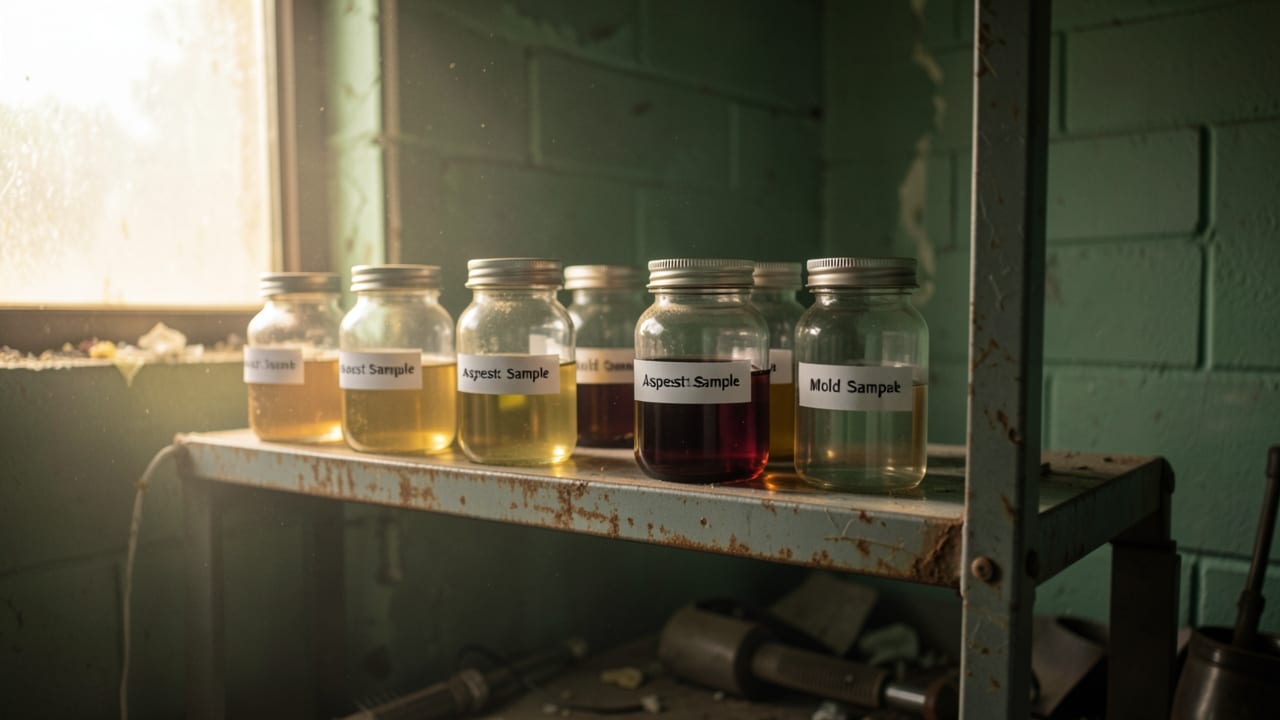
Mold & Asbestos Testing in Santa Barbara, CA
Combined mold and asbestos testing in Santa Barbara, CA — one inspection visit, lab-verified results for both.
Learn More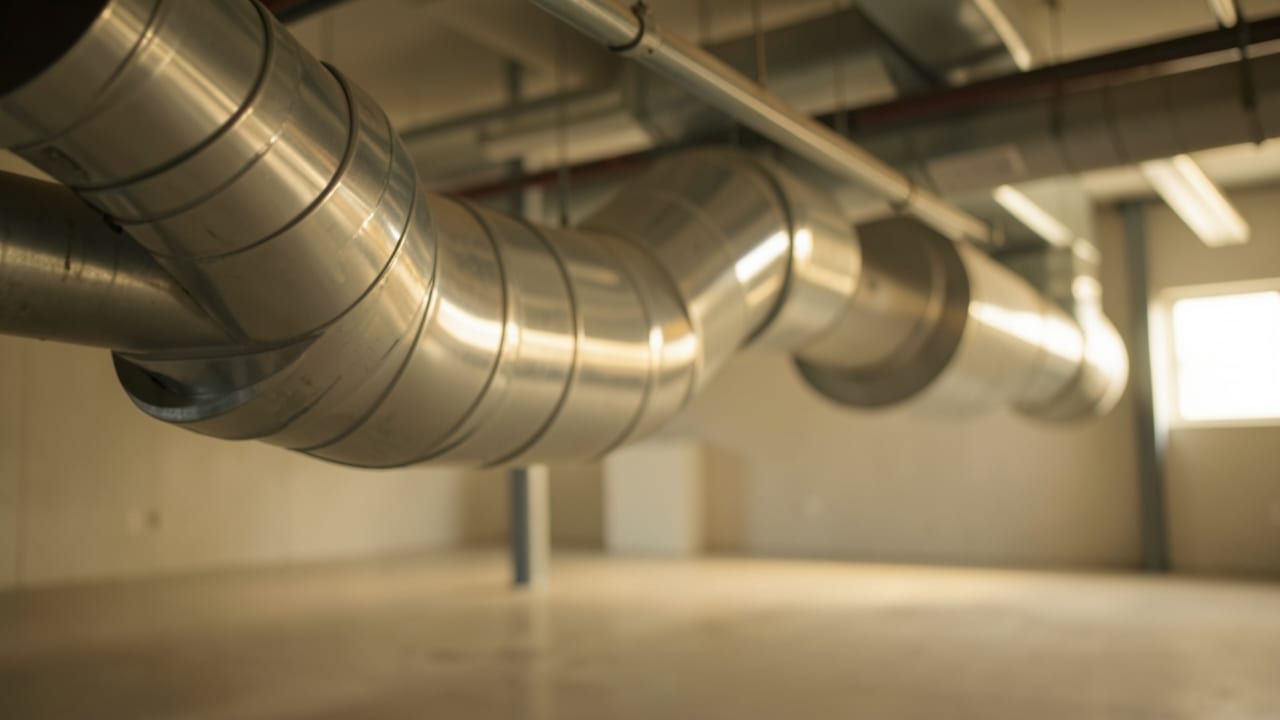
HVAC Mold Remediation in Santa Barbara, CA
HVAC and ductwork mold remediation in Santa Barbara, CA — mold growing inside the air handler or duct system, spreading through every vent.
Learn More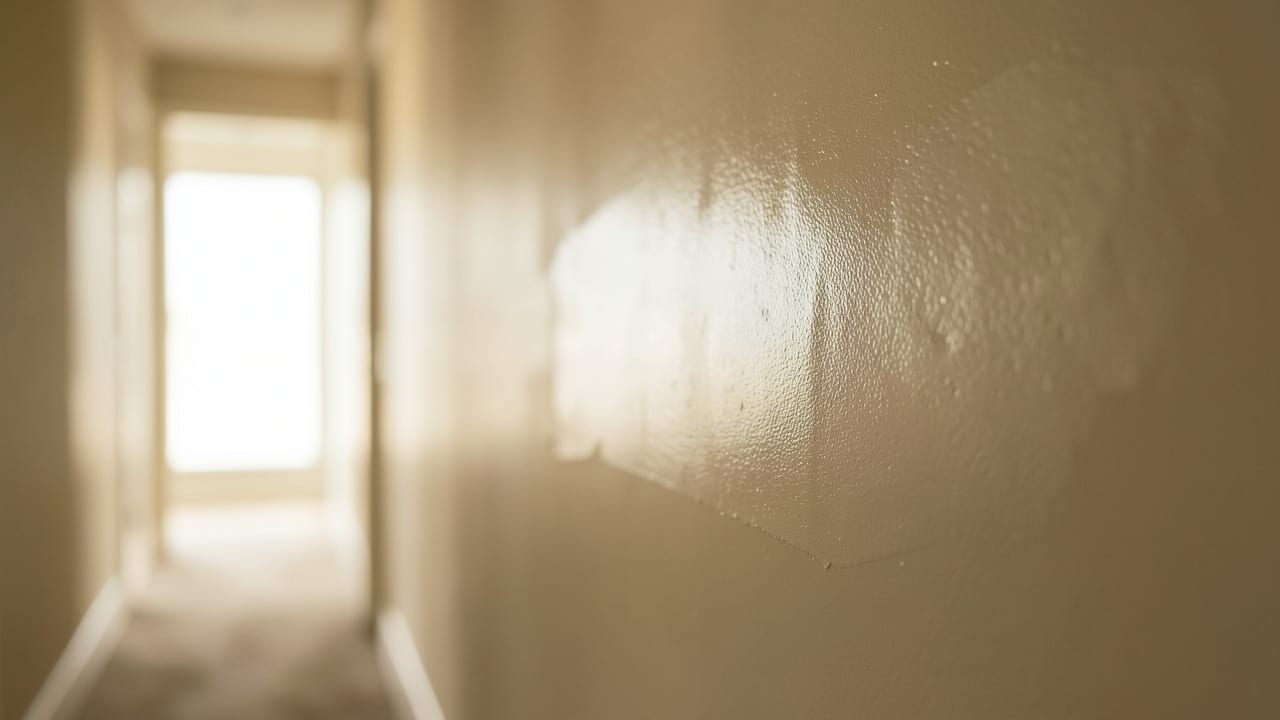
Drywall Mold Remediation in Santa Barbara, CA
Professional removal and treatment of mold growth behind or on drywall surfaces.
Learn More
Bathroom Mold Removal in Santa Barbara, CA
Professional assessment and removal of mold in bathrooms to restore a safe, clean environment.
Learn More
Kitchen Mold Cleanup in Santa Barbara, CA
Professional assessment and removal of mold in kitchen areas to restore a safe, clean environment.
Learn More
Laundry Room Mold Cleanup in Santa Barbara, CA
Professional mold removal and remediation in laundry rooms to restore a safe, clean space.
Learn MoreCommon Questions About Mold Remediation in Santa Barbara
Everything you need to know about mold remediation services in Santa Barbara
How much does Plaster Mold Remediation typically cost in Santa Barbara, CA?
Does coastal humidity around Santa Barbara, CA change how mold risk is assessed?
How long does a typical mold remediation job take?
Is it safe to stay in the home during mold remediation?
Can small mold problems be handled without hiring anyone?
What's the actual difference between mold removal and mold remediation?
Need Mold Remediation in Santa Barbara?
Connect with local providers in Santa Barbara for a detailed quote.
⏰ We answer your call • Serving all of Santa Barbara and surrounding areas