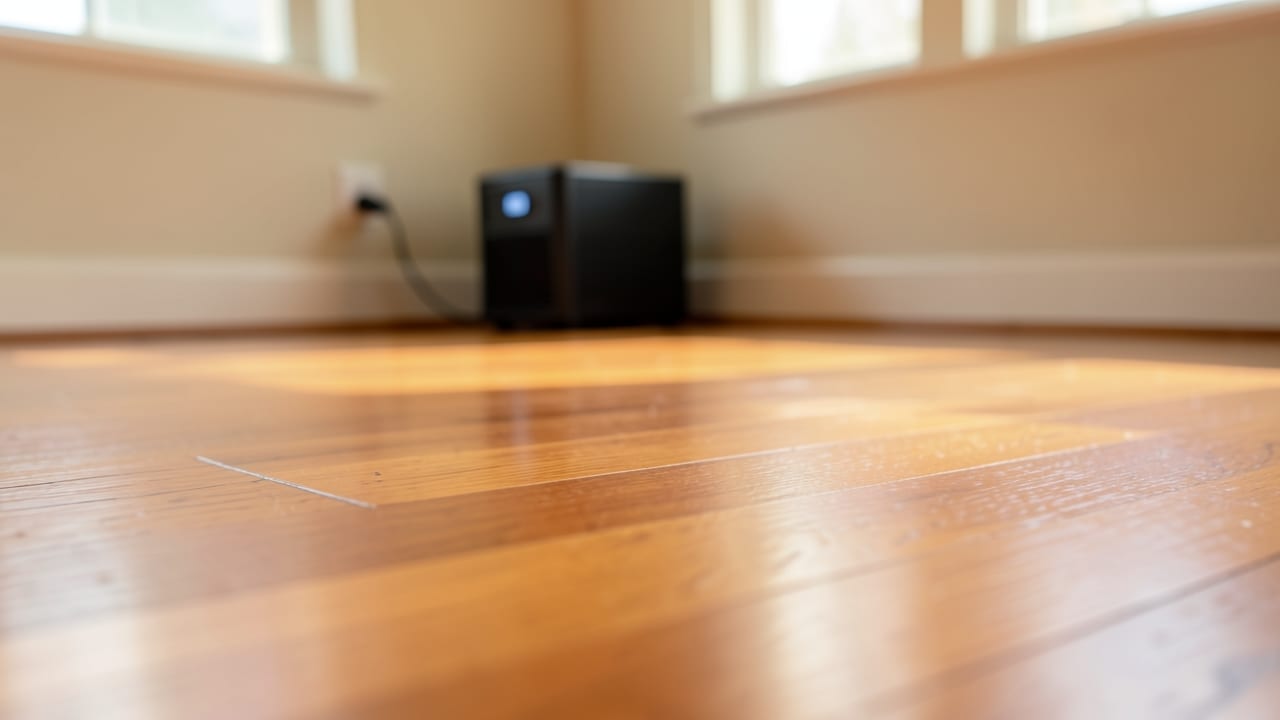
Pet Urine Mold Treatment
Professional removal of mold caused by pet urine in homes, including assessment and treatment.
Pet urine mold in Santa Barbara homes often hides beneath carpets, in walls, or under flooring, creating musty odors and potential health risks. Professional remediation targets the source, removes contaminated materials, and prevents regrowth with containment, HEPA filtration, and moisture control—restoring your home’s air quality safely and effectively.
When pet urine mold needs professional help
Pet urine mold isn’t just an odor issue—it thrives in hidden spaces like subflooring, drywall, and insulation.
We also handle Plaster Mold Remediation and Ceiling Mold Removal for Santa Barbara properties.
If you notice mold covering more than a small patch (around 25 sq ft), recurring after cleaning, or accompanied by a musty smell that spreads when your HVAC runs, it’s likely time for professional treatment.
These signs often mean the moisture source or hidden growth requires expert intervention to resolve permanently.
DIY attempts can spread spores or miss hidden contamination. A professional uses containment, HEPA filtration, and clearance testing to ensure the problem is fully addressed. Ignoring it risks regrowth, which can worsen over time and affect your home’s indoor air quality.
Signs You Need Pet Urine Mold Remediation
- Mold growth covering more than 25 contiguous square feet (a common threshold for professional work).
- Recurring mold in the same spot after cleaning, often indicating an unresolved moisture issue.
- A musty smell with no visible mold, suggesting hidden growth in walls, under flooring, or in ductwork.
- Spore counts that remain high after DIY cleaning, confirmed through air or surface testing.
What affects cost and timeline?
Pricing for pet urine mold treatment in Santa Barbara varies based on the scope of the job, not a fixed rate. Containment, removal of porous materials, and clearance testing are standard steps, but specialty treatments—like enzymatic odor control for pet urine or refinishing wood furniture—may add to the cost.
The size of the affected area, whether hidden growth requires structural work, and whether moisture sources need fixing all play a role in the final estimate.
Timelines depend on containment setup, drying time for structural materials, and clearance testing. A small, contained job might wrap up in a day, while larger or complex cases—like mold in ductwork or extensive subfloor damage—can take several days.
Clearance testing, done by an independent lab, ensures the job is complete before the area is released.
Why clearance testing matters
After remediation, independent clearance testing confirms that spore counts are back to normal levels. This step is critical because it verifies the job was done thoroughly—without it, you might not know if hidden mold remains.
In Santa Barbara’s humid climate, residual moisture or overlooked growth can lead to regrowth if the source isn’t fully addressed.
Testing also protects your investment by ensuring the remediation crew didn’t miss anything. Some companies skip this step to save time or money, but without confirmation, you’re left guessing whether the problem is truly resolved.
Skipping clearance testing can leave hidden mold undetected, leading to recurring issues. Always ask for third-party lab verification to confirm the job is complete.
How pet urine mold treatment works
- 1Containment Setup
Plastic sheeting and negative-air machines seal off the work area to prevent spores from spreading during removal. This step is critical for keeping contamination localized.
- 2Removal of Contaminated Materials
Porous materials like drywall, insulation, and carpet padding—where mold grows deep—are cut out and bagged. Non-porous surfaces are scrubbed and treated instead of discarded.
- 3HEPA Filtration and Drying
HEPA air scrubbers run continuously during the job, and surfaces are vacuumed with HEPA-filtered equipment to capture spores. Industrial dehumidifiers and air movers dry framing and subflooring to prevent regrowth.
- 4Moisture Source Fix
The underlying cause—like a leak, poor ventilation, or grading issues—must be addressed to stop future mold. This step is essential for long-term results.
- 5Clearance Testing
An independent lab tests air or surfaces post-remediation to confirm spore levels are safe. This ensures the job meets health standards before containment is removed.
Frequently asked questions
How do I know if my pet urine mold is worse than I think?
If the mold keeps coming back after cleaning, covers more than a small patch, or you smell it spreading through your HVAC system, it’s likely hidden in walls or ductwork. A professional inspection can pinpoint the extent.
Will my furniture or carpets need to be thrown out?
Porous items like drywall or insulation are usually removed, but non-porous surfaces like tile or wood can often be cleaned and treated. Carpets may need professional cleaning or replacement if deeply contaminated.
How long does the process take?
Small jobs can be done in a day, but larger or complex cases—like mold in ductwork or extensive subfloor damage—may take several days, including drying and testing time.
Can I prevent pet urine mold in the future?
Use enzymatic cleaners for pet accidents, improve ventilation in damp areas, and fix leaks or grading issues promptly. Regularly check humidity levels in high-risk rooms to catch moisture problems early.
Where Santa Barbara sits, and what the Census lists nearby
Santa Barbara sits in California, and the closest places listed in the U.S. Census Gazetteer are Mission Canyon (3.6 miles north), Montecito (4.7 miles east), Eastern Goleta Valley (4.9 miles northwest), Summerland (7.3 miles east).
Within 25 miles of Santa Barbara the same source lists 11 distinct incorporated places and census-designated places.
Those figures matter for pet urine mold treatment because they are straight-line distances between Census coordinate points: road mileage between Santa Barbara and Mission Canyon runs longer than the 3.6 miles shown, which is why quotes for the same job differ between towns that look close together on a map.
Source: U.S. Census Bureau Gazetteer.
See Channel Islands Beach, CA for more, or check out the mold remediation work we do around Santa Barbara at a glance for our complete lineup.
Ready to get started?
Talk to a local mold remediation pro in Santa Barbara — get a written quote.
Other Mold Remediation Services in Santa Barbara
Plaster Mold Remediation in Santa Barbara, CA
Professional removal and treatment of mold from plaster surfaces in homes.
Learn More
Ceiling Mold Removal in Santa Barbara, CA
Professional removal of mold growth from ceilings, including containment and cleanup.
Learn More
Sewer Backup Mold Cleanup in Santa Barbara, CA
Professional cleanup of mold caused by sewer backups in homes.
Learn More
Pipe Leak Mold Removal in Santa Barbara, CA
Professional removal of mold caused by pipe leaks in homes.
Learn More
Roof Leak Mold Remediation in Santa Barbara, CA
Professional removal of mold caused by roof leaks to restore a safe, healthy home environment.
Learn More
Hospital Mold Removal in Santa Barbara, CA
Professional assessment and removal of mold in hospitals to ensure a safe, healthy environment.
Learn MoreCommon Questions About Mold Remediation in Santa Barbara
Everything you need to know about mold remediation services in Santa Barbara
How much does Pet Urine Mold Treatment typically cost in Santa Barbara, CA?
Does coastal humidity around Santa Barbara, CA change how mold risk is assessed?
Does mold mean the same thing as mildew?
Does homeowners insurance typically cover mold remediation?
Is black mold actually more dangerous than other mold types?
How long does a typical mold remediation job take?
Need Mold Remediation in Santa Barbara?
Connect with local providers in Santa Barbara for a detailed quote.
⏰ We answer your call • Serving all of Santa Barbara and surrounding areas