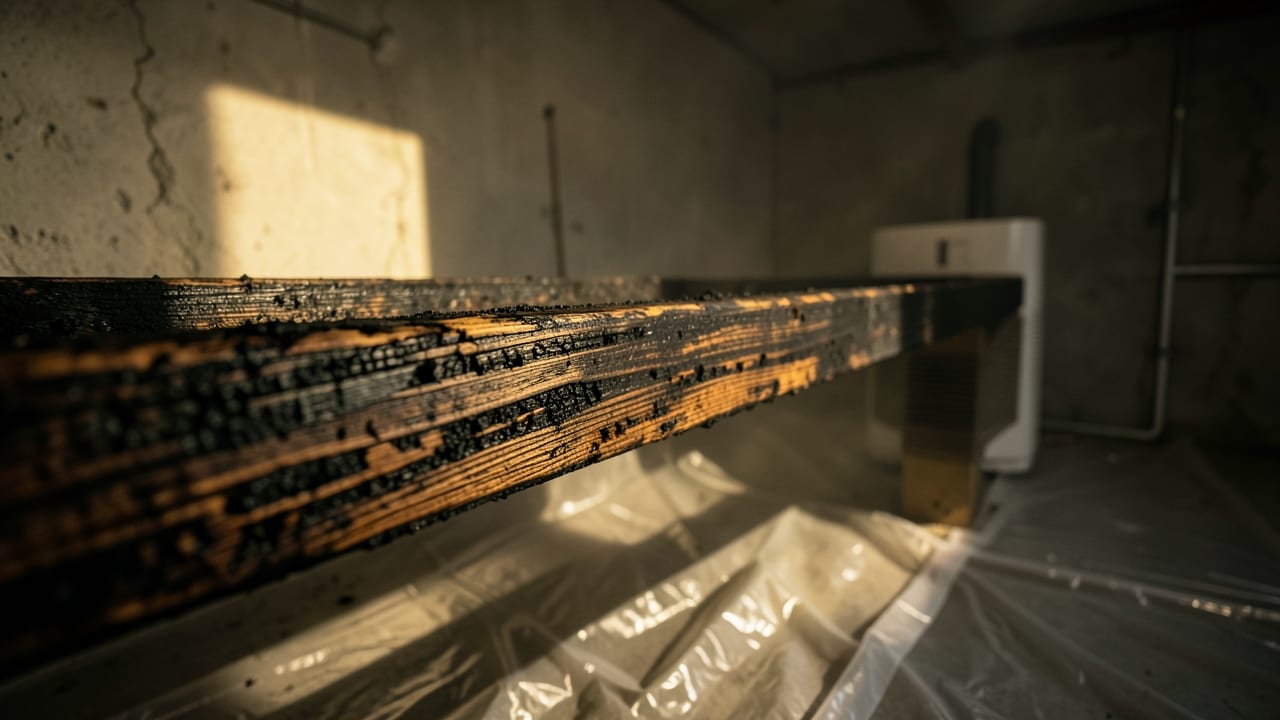
Fire Smoke Mold Remediation
Professional cleanup and restoration of fire, smoke, and mold damage in homes.
Fire, smoke, and mold damage in Santa Barbara homes requires specialized remediation to restore safety and air quality. After a fire or water leak, hidden mold can spread quickly, while soot and odors linger even after visible damage is cleaned.
Professional remediation includes containment, removal of contaminated materials, HEPA filtration, and moisture control to prevent regrowth—critical steps that go beyond basic cleaning.
We also handle Pet Urine Mold Treatment and Pre-Winter Mold Prevention for Santa Barbara properties.
When is professional remediation needed?
Mold growth beyond a small, isolated patch—especially if it reappears after cleaning—often signals a deeper issue requiring professional intervention. In California, any mold covering 25 contiguous square feet or more typically requires a licensed contractor, as the problem is likely hidden behind walls, under flooring, or within HVAC systems.
Persistent musty odors, even without visible mold, can indicate hidden moisture sources or ductwork contamination.
Fire and smoke damage also demands careful remediation. Soot can penetrate porous materials, and lingering odors may require industrial-grade deodorization. Without proper containment and HEPA filtration, disturbed spores or soot particles can spread to unaffected areas, turning a contained job into a larger problem.
Signs You Need Professional Remediation
- Mold covering more than 10 square feet or growing back after cleaning
- A musty smell with no visible mold—often a sign of hidden growth
- Water damage from firefighting or leaks that hasn’t fully dried in 48+ hours
- Soil or structural materials (like drywall or insulation) that absorbed smoke or mold
- HVAC system odors that worsen when the system runs
What affects cost and timeline?
The scope of fire, smoke, and mold remediation varies widely based on the extent of damage, materials affected, and whether hidden moisture sources exist. For example, removing mold from drywall and insulation is often more costly than treating non-porous surfaces like tile or metal framing.
Fire and smoke cleanup in Santa Barbara typically ranges from $240 to $1,440 per affected room, depending on soot depth, odor severity, and whether mold remediation is needed afterward.
Timelines also depend on drying requirements, containment setup, and clearance testing. Structural drying with industrial dehumidifiers can take 3–7 days for framing and subfloors to reach safe moisture levels. Containment breaches, improper filtration, or skipping moisture-source repairs can extend both cost and time—often leading to recurring issues.
Common mistakes to avoid
Skipping containment or using non-HEPA equipment during remediation can spread spores or soot to unaffected areas, worsening the problem. Similarly, treating mold without fixing the moisture source—like a leak or poor ventilation—often leads to regrowth within months.
Another pitfall is assuming a verbal estimate covers everything; written scopes of work and third-party clearance testing are essential to confirm the job is complete.
In Santa Barbara’s humid climate, rooms with poor airflow—such as windowless bathrooms or closets—are prone to recurring dampness. Leaving these spaces without ongoing ventilation or moisture control can undo remediation efforts.
Always verify a contractor’s California CSLB license for jobs over $500, as mold work falls under general contracting laws here.
Avoid quotes that exclude containment, clearance testing, or moisture-source repairs. Pressure to sign during the inspection visit or upfront payment demands are also warning signs of potential disputes later.
How fire, smoke, and mold remediation works
Professional remediation follows a structured process to safely remove contaminants and prevent regrowth.
- 1Containment Setup
Plastic sheeting and negative-air machines seal the work area to prevent spores or soot from spreading. This step is critical before any materials are disturbed.
- 2Removal of Contaminated Materials
Porous materials like drywall, insulation, and carpet padding—absorbed with mold or soot—are cut out and bagged. Non-porous surfaces are scrubbed and treated instead.
- 3HEPA Filtration and Cleaning
HEPA air scrubbers run continuously during removal, and surfaces are vacuumed with HEPA-filtered equipment to capture spores that standard filters miss.
- 4Structural Drying
Industrial dehumidifiers and air movers reduce moisture in framing and subfloors to safe levels, as mold regrows on damp materials even after visible traces are removed.
- 5Clearance Testing
An independent lab tests air or surfaces post-remediation to confirm spore counts are within normal ranges before containment is removed.
Frequently asked questions
Can I clean up mold myself if it’s only in one corner of my bathroom?
Small patches (under 10 square feet) in easily accessible areas can sometimes be cleaned with detergent and water, but hidden moisture or porous materials may require professional removal. If the mold keeps coming back, it’s likely a sign of a deeper issue like a leak or poor ventilation.
How long does it take to fully remediate fire and smoke damage in a home?
Smoke cleanup in a single room typically takes 1–3 days, while mold remediation can extend to 5–10 days if structural drying or multiple rooms are involved. Containment and clearance testing add time but are essential to ensure the job is thorough.
Will my insurance cover fire, smoke, or mold remediation?
Most homeowners’ insurance policies cover fire and smoke damage, but mold claims are often denied unless it’s directly tied to a covered event (like a fire). Review your policy or consult your agent to confirm coverage before starting remediation.
How do I know if my HVAC system is spreading mold or smoke odors?
If musty or smoky smells worsen when your HVAC runs or appear in multiple rooms, the ducts may be contaminated. Professional duct cleaning or remediation is often needed to fully resolve the issue.
Where Santa Barbara sits, and what the Census lists nearby
Santa Barbara sits in California, and the closest places listed in the U.S. Census Gazetteer are Mission Canyon (3.6 miles north), Montecito (4.7 miles east), Eastern Goleta Valley (4.9 miles northwest), Summerland (7.3 miles east).
Within 25 miles of Santa Barbara the same source lists 11 distinct incorporated places and census-designated places.
Those figures matter for fire smoke mold remediation because they are straight-line distances between Census coordinate points: road mileage between Santa Barbara and Mission Canyon runs longer than the 3.6 miles shown, which is why quotes for the same job differ between towns that look close together on a map.
Source: U.S. Census Bureau Gazetteer.
See Los Alamos, CA for more, or explore our full Santa Barbara-area coverage in one place for our complete lineup.
Ready to get started?
Talk to a local mold remediation pro in Santa Barbara — get a written quote.
Other Mold Remediation Services in Santa Barbara
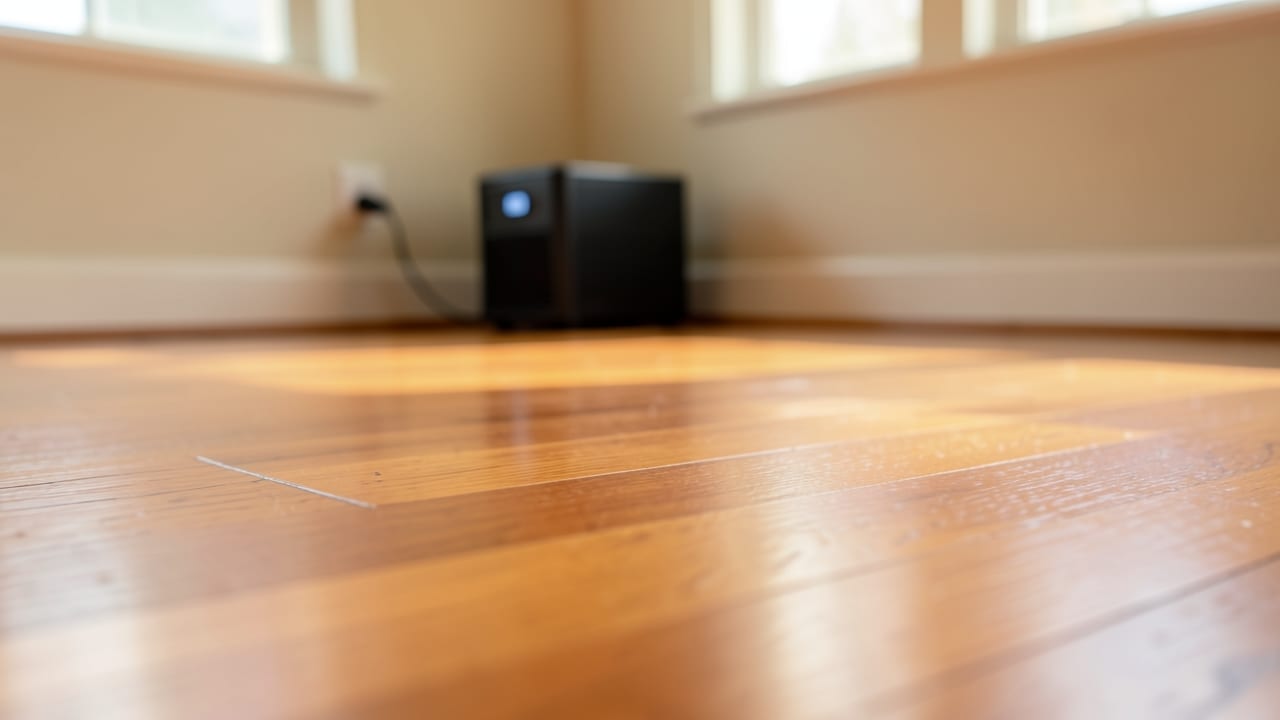
Pet Urine Mold Treatment in Santa Barbara, CA
Professional removal of mold caused by pet urine in homes, including assessment and treatment.
Learn More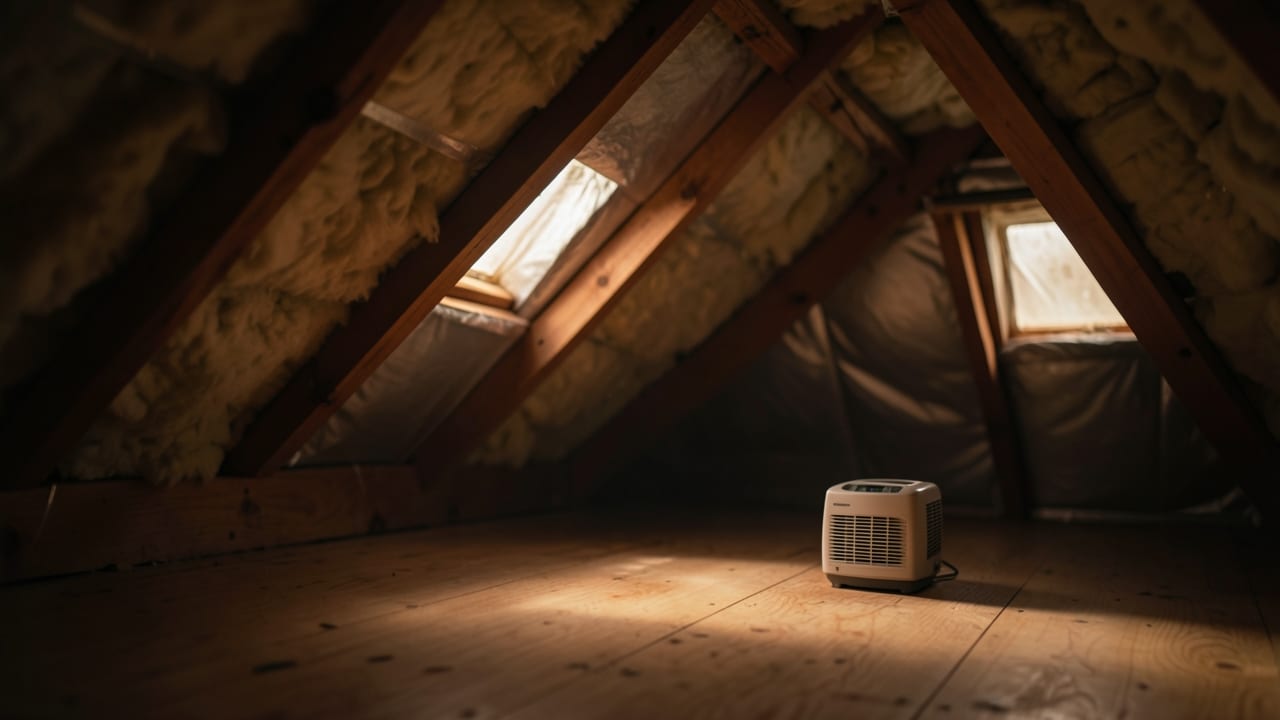
Pre-Winter Mold Prevention in Santa Barbara, CA
Pre-winter mold prevention involves inspection and treatment to stop mold growth before cold weather.
Learn More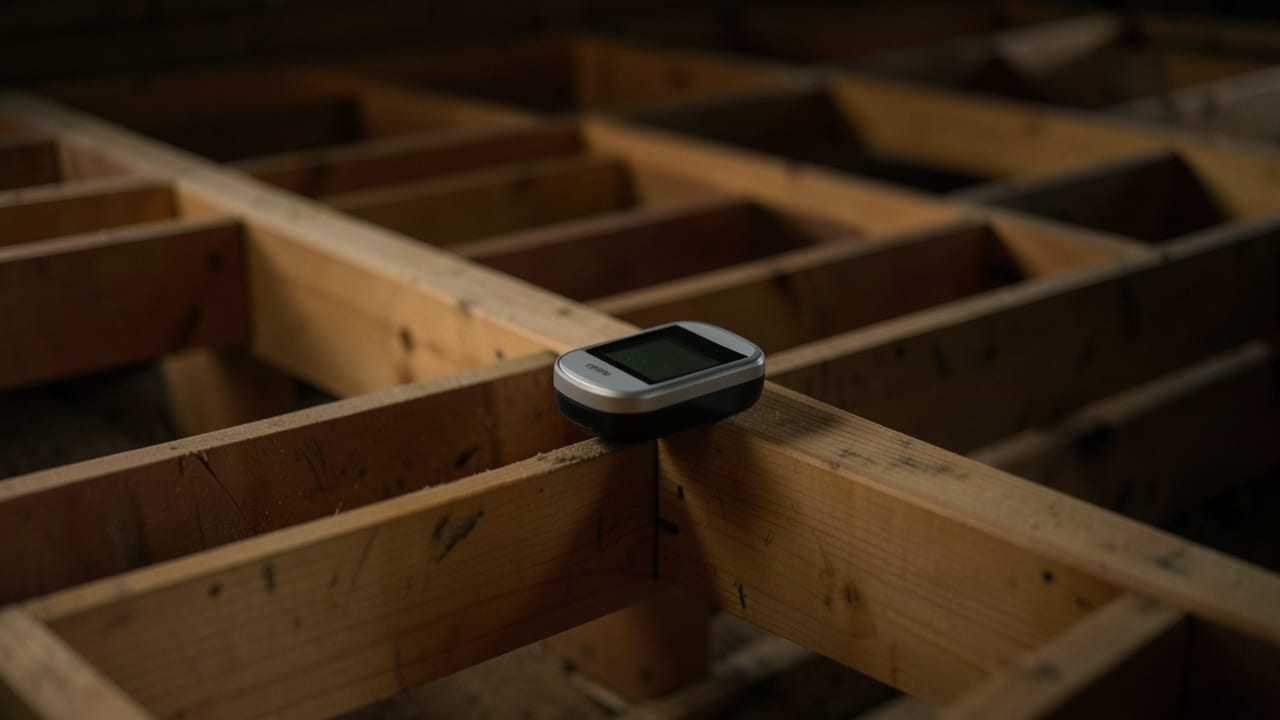
Spring Mold Inspection in Santa Barbara, CA
Professional assessment and identification of mold growth in homes.
Learn More
Move-In Mold Assessment in Santa Barbara, CA
Professional inspection and assessment of mold presence before moving into a property.
Learn More
Mold Inspection in Santa Barbara, CA
Mold inspection in Santa Barbara, CA — a visual and moisture-meter assessment that finds the source of growth, not just the visible spot on the wall.
Learn More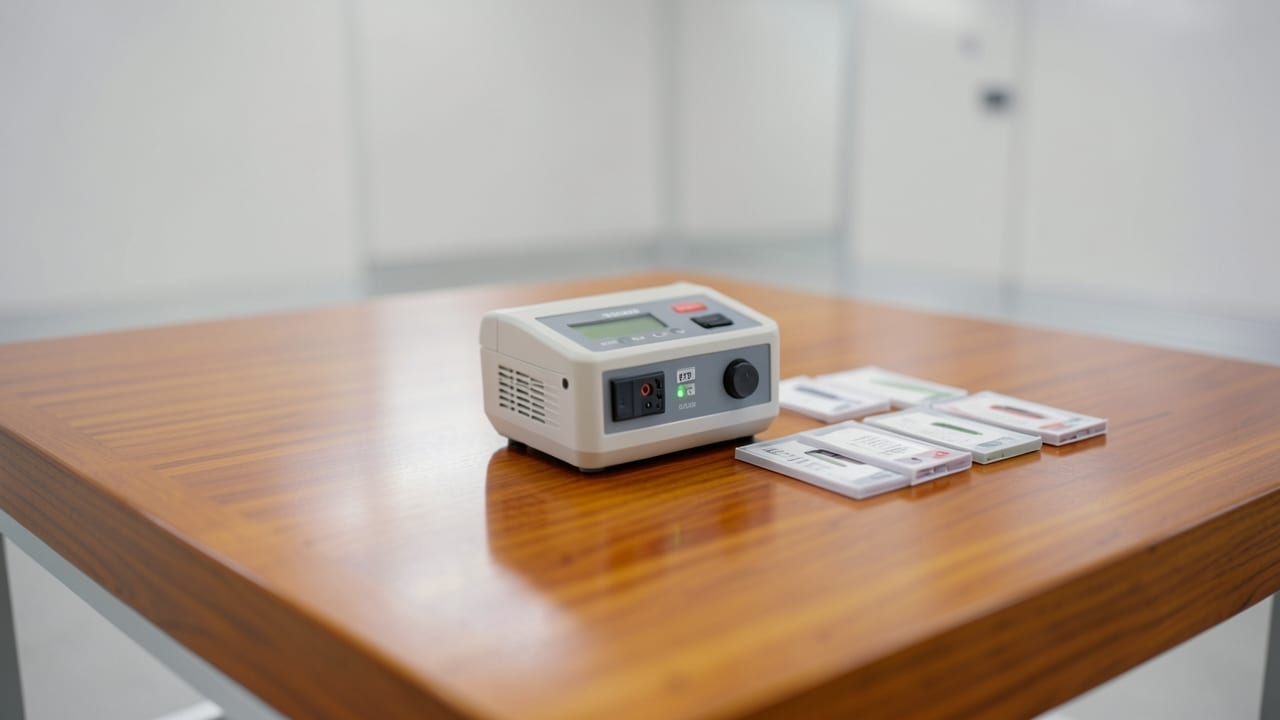
Mold Testing & Air Quality Testing in Santa Barbara, CA
Mold and indoor air quality testing in Santa Barbara, CA — lab-analyzed air and surface samples confirm what's actually growing and whether it's airborne.
Learn MoreCommon Questions About Mold Remediation in Santa Barbara
Everything you need to know about mold remediation services in Santa Barbara
How much does Fire Smoke Mold Remediation typically cost in Santa Barbara, CA?
Does coastal humidity around Santa Barbara, CA change how mold risk is assessed?
What's the actual difference between mold removal and mold remediation?
Is a final clearance test part of a typical mold remediation job?
How does mold remediation actually prevent the problem from coming back?
Can mold growing inside HVAC ductwork spread to the rest of a home?
Need Mold Remediation in Santa Barbara?
Connect with local providers in Santa Barbara for a detailed quote.
⏰ We answer your call • Serving all of Santa Barbara and surrounding areas