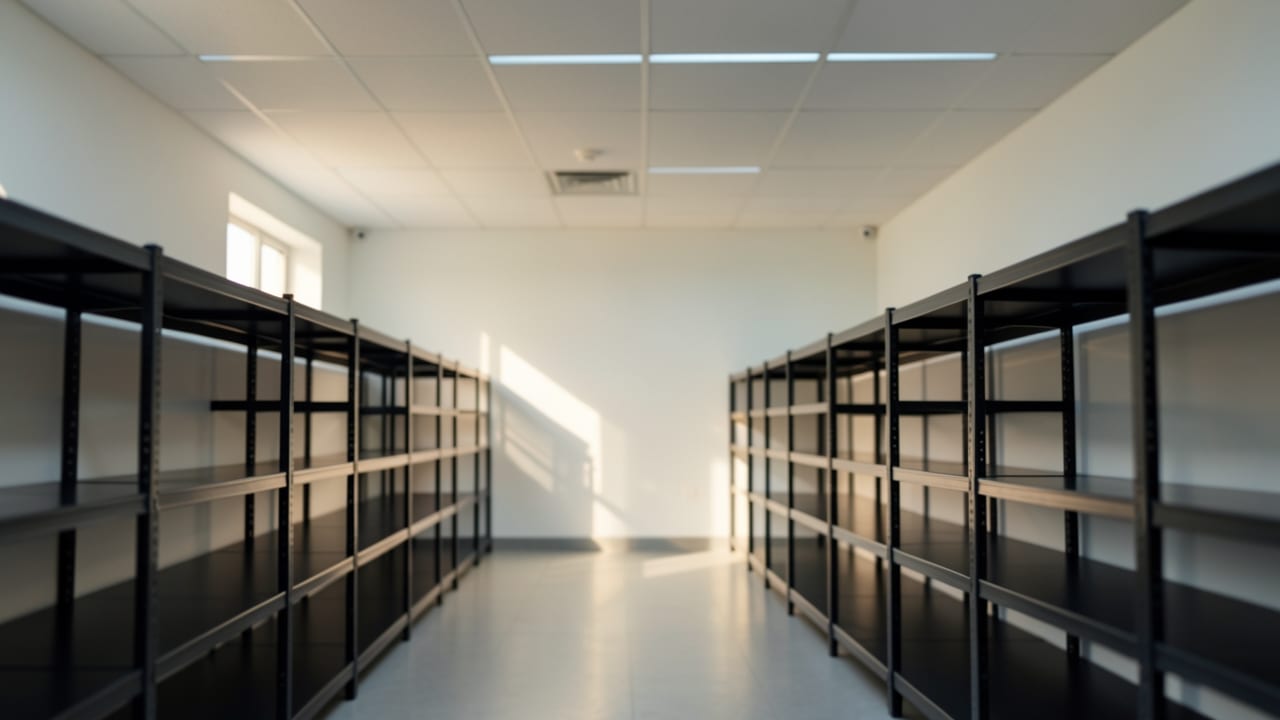
Retail Store Mold Remediation
Professional mold removal and remediation for retail stores to restore safe, clean environments.
Mold in Santa Barbara homes can spread quickly when moisture lingers, especially in hidden areas like walls, under flooring, or inside HVAC systems. Professional remediation safely removes mold growth, contains spores to prevent further spread, and addresses the underlying moisture issues that cause regrowth.
This process is essential for restoring air quality and protecting your property’s structural integrity in Santa Barbara’s humid climate.
We also handle Mold Prevention & Moisture Control and Mold & Asbestos Testing for Santa Barbara properties.
When to call for help
Mold growth in your home may start small, but certain signs indicate it’s time for professional intervention. Visible mold covering more than a few square feet, recurring growth after cleaning, or a persistent musty odor—even without visible signs—are clear warnings.
In Santa Barbara’s climate, hidden moisture in walls, basements, or behind appliances can also fuel unseen mold. Ignoring these signs often leads to deeper contamination and higher repair costs later.
If your home has experienced water damage, poor ventilation, or flooding, mold can develop within 24 to 48 hours. Professional remediation ensures the problem is fully addressed, not just the visible surface mold. Addressing the moisture source is just as critical as removing the mold itself to prevent future issues.
Signs You Need Mold Remediation
- Mold covering more than 25 contiguous square feet (a common threshold for professional work).
- Recurring mold growth in the same spot after cleaning, suggesting an unresolved moisture issue.
- A musty odor with no visible mold, often indicating hidden growth in walls, ducts, or under flooring.
- Visible mold in HVAC vents or registers, which can spread spores throughout your home.
- Water stains or dampness on walls, ceilings, or floors that haven’t dried completely.
What affects the process and cost
The scope of mold remediation depends on the size of the affected area, the type of materials involved, and whether the moisture source is addressed. In Santa Barbara, homes with older plumbing, poor ventilation, or recent water damage may require more extensive work.
Containment, HEPA filtration, and clearance testing are standard steps, but their complexity can vary based on the location and severity of the mold.
Pricing for mold remediation is typically project-based rather than per-square-foot, as the work often includes inspection, testing, removal, and post-treatment steps. Hidden mold or structural damage may increase costs, as walls or flooring may need to be opened and repaired.
Always confirm whether a quote includes containment, clearance testing, and moisture source repairs.
Why containment and testing matter
Containment is a critical step in mold remediation, as disturbing mold without proper precautions can spread spores throughout your home. Plastic sheeting and negative-air machines isolate the work area, preventing spores from drifting into unaffected rooms. Skipping this step risks turning a small job into a larger, more costly problem.
Post-remediation clearance testing confirms that spore levels are back to normal. This step is often overlooked but essential—without it, there’s no way to verify whether the mold has been fully addressed. In Santa Barbara, where humidity and coastal breezes can reintroduce moisture, ongoing monitoring helps ensure the issue doesn’t return.
Using standard shop vacuums or non-HEPA air scrubbers recirculates mold spores instead of capturing them. Without proper containment, spores can spread to other areas of your home, making the problem worse. Always hire a licensed professional for mold remediation to ensure safety and effectiveness.
How mold remediation works
Professional remediation follows a structured process to safely remove mold and prevent regrowth.
- 1Containment
The affected area is sealed off with plastic sheeting and negative-air machines to prevent spores from spreading to other parts of your home.
- 2Removal
Porous materials like drywall or insulation that absorb mold are cut out and disposed of, while non-porous surfaces are cleaned and treated.
- 3HEPA Filtration
HEPA air scrubbers and vacuums capture spores during removal, ensuring they don’t re-enter the air or settle in other areas.
- 4Structural Drying
Industrial dehumidifiers and air movers dry framing and subfloors to prevent lingering moisture, which can cause mold to return.
- 5Clearance Testing
An independent lab tests air or surfaces to confirm spore levels are back to normal before containment is removed.
Frequently asked questions
Can I clean small mold patches myself, or should I call a professional?
Small, isolated patches (under 25 square feet) can often be cleaned with household products like vinegar or bleach, but only if the surface is non-porous. If the mold keeps coming back or you notice a musty smell, it’s likely hidden or tied to a moisture issue, and professional remediation is recommended.
How long does the mold remediation process take?
The timeline depends on the size and severity of the mold, but most residential jobs take 1–3 days for removal and drying, followed by clearance testing. Complex cases with hidden mold or structural damage may take longer.
Will my home insurance cover mold remediation?
Coverage depends on your policy and the cause of the mold. Insurance typically covers sudden water damage (like a burst pipe) but may exclude gradual issues (like poor ventilation). Review your policy or consult your agent to confirm.
How can I prevent mold from coming back after remediation?
Fix the moisture source—leaks, poor ventilation, or grading issues—and use dehumidifiers or fans in damp areas. Monitor humidity levels (keep them under 60%) and address any new water stains promptly to reduce the risk of regrowth.
Where Santa Barbara sits, and what the Census lists nearby
Santa Barbara sits in California, and the closest places listed in the U.S. Census Gazetteer are Mission Canyon (3.6 miles north), Montecito (4.7 miles east), Eastern Goleta Valley (4.9 miles northwest), Summerland (7.3 miles east).
Within 25 miles of Santa Barbara the same source lists 11 distinct incorporated places and census-designated places.
Those figures matter for retail store mold remediation because they are straight-line distances between Census coordinate points: road mileage between Santa Barbara and Mission Canyon runs longer than the 3.6 miles shown, which is why quotes for the same job differ between towns that look close together on a map.
Source: U.S. Census Bureau Gazetteer.
See Oxnard, CA for more, or take a look at how our Santa Barbara crew can help from start to finish for our complete lineup.
Ready to get started?
Talk to a local mold remediation pro in Santa Barbara — get a written quote.
Other Mold Remediation Services in Santa Barbara
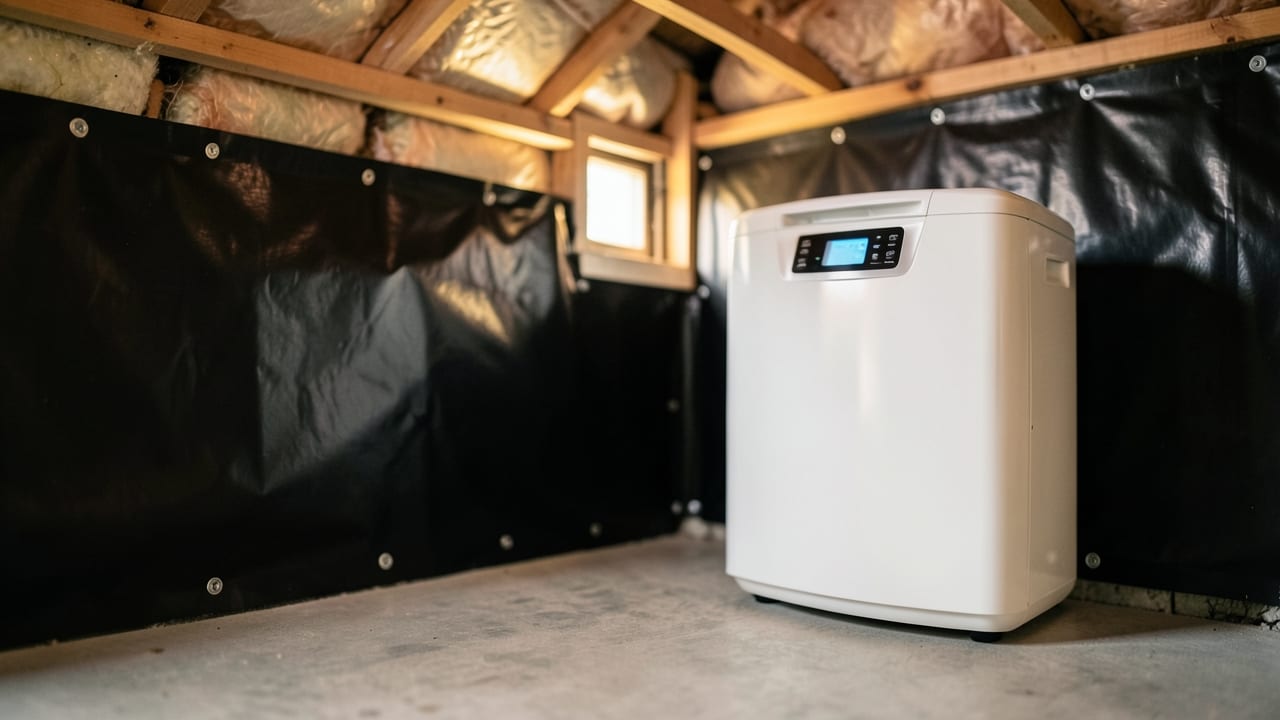
Mold Prevention & Moisture Control in Santa Barbara, CA
Mold prevention and moisture control in Santa Barbara, CA — addressing ventilation, humidity, and drainage before growth starts, not after.
Learn More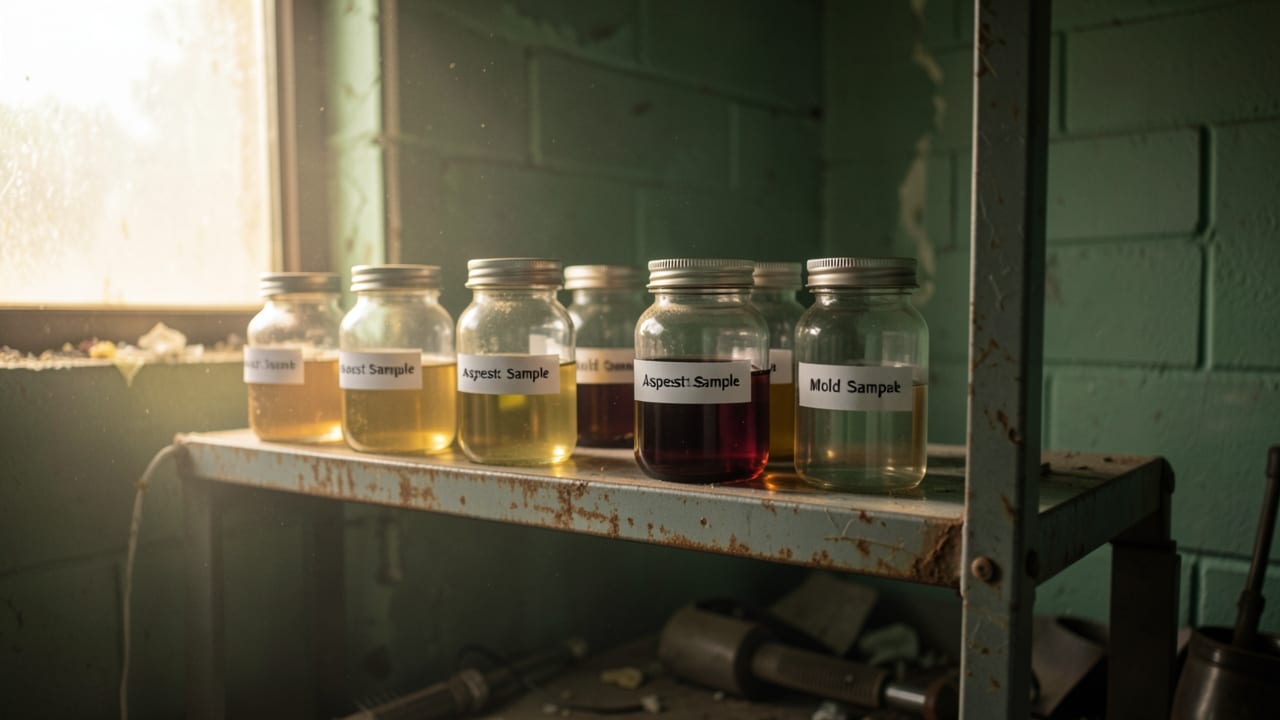
Mold & Asbestos Testing in Santa Barbara, CA
Combined mold and asbestos testing in Santa Barbara, CA — one inspection visit, lab-verified results for both.
Learn More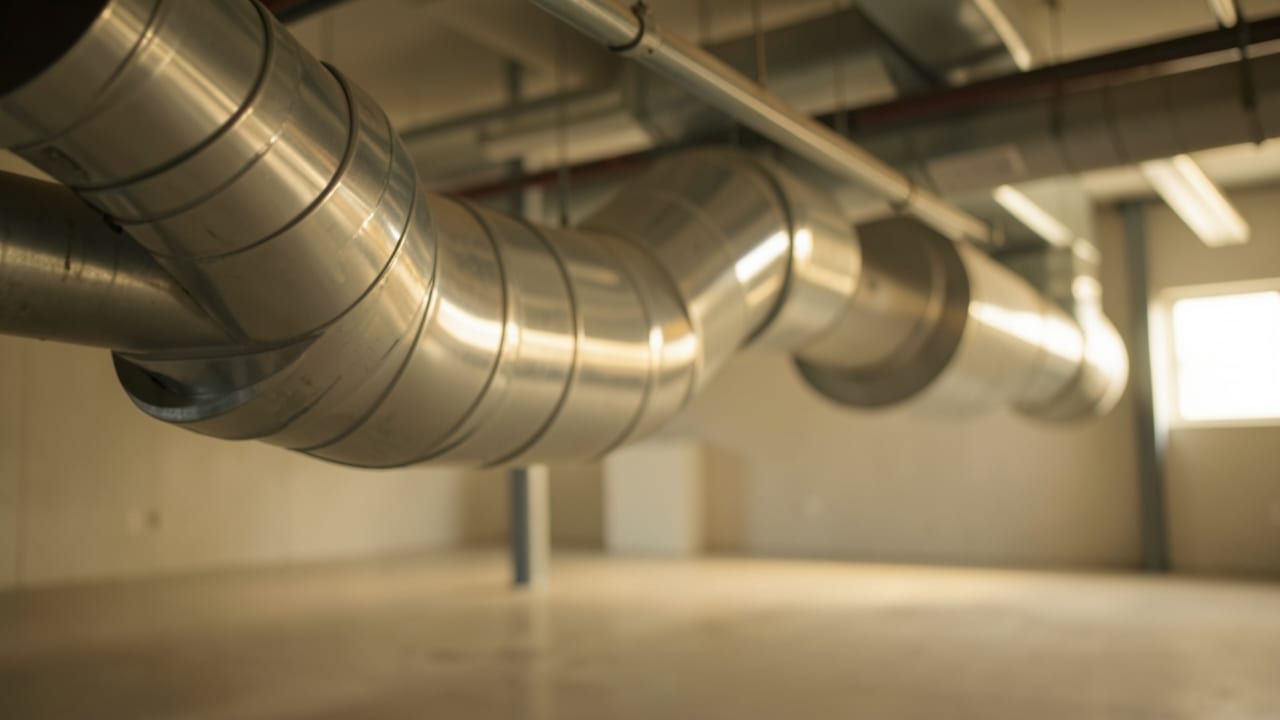
HVAC Mold Remediation in Santa Barbara, CA
HVAC and ductwork mold remediation in Santa Barbara, CA — mold growing inside the air handler or duct system, spreading through every vent.
Learn More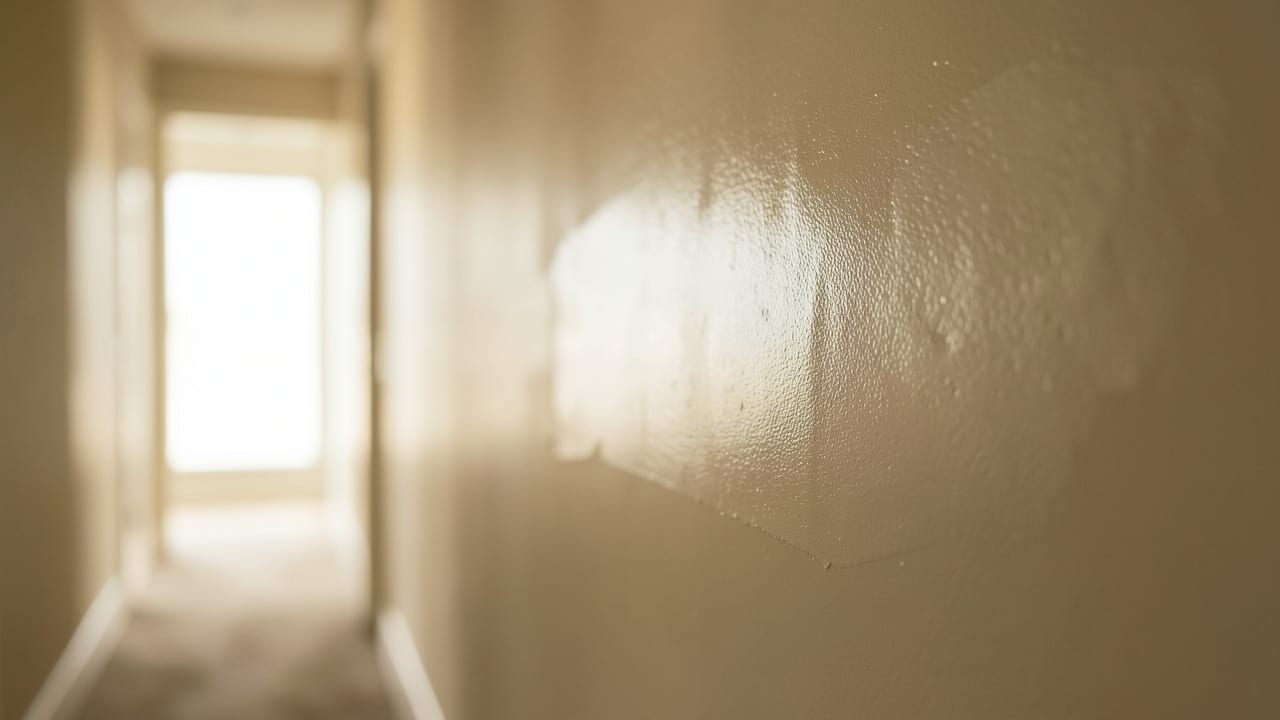
Drywall Mold Remediation in Santa Barbara, CA
Professional removal and treatment of mold growth behind or on drywall surfaces.
Learn More
Bathroom Mold Removal in Santa Barbara, CA
Professional assessment and removal of mold in bathrooms to restore a safe, clean environment.
Learn More
Kitchen Mold Cleanup in Santa Barbara, CA
Professional assessment and removal of mold in kitchen areas to restore a safe, clean environment.
Learn MoreCommon Questions About Mold Remediation in Santa Barbara
Everything you need to know about mold remediation services in Santa Barbara
How much does Retail Store Mold Remediation typically cost in Santa Barbara, CA?
Does coastal humidity around Santa Barbara, CA change how mold risk is assessed?
Can small mold problems be handled without hiring anyone?
What's the actual difference between mold removal and mold remediation?
Is a final clearance test part of a typical mold remediation job?
How does mold remediation actually prevent the problem from coming back?
Need Mold Remediation in Santa Barbara?
Connect with local providers in Santa Barbara for a detailed quote.
⏰ We answer your call • Serving all of Santa Barbara and surrounding areas