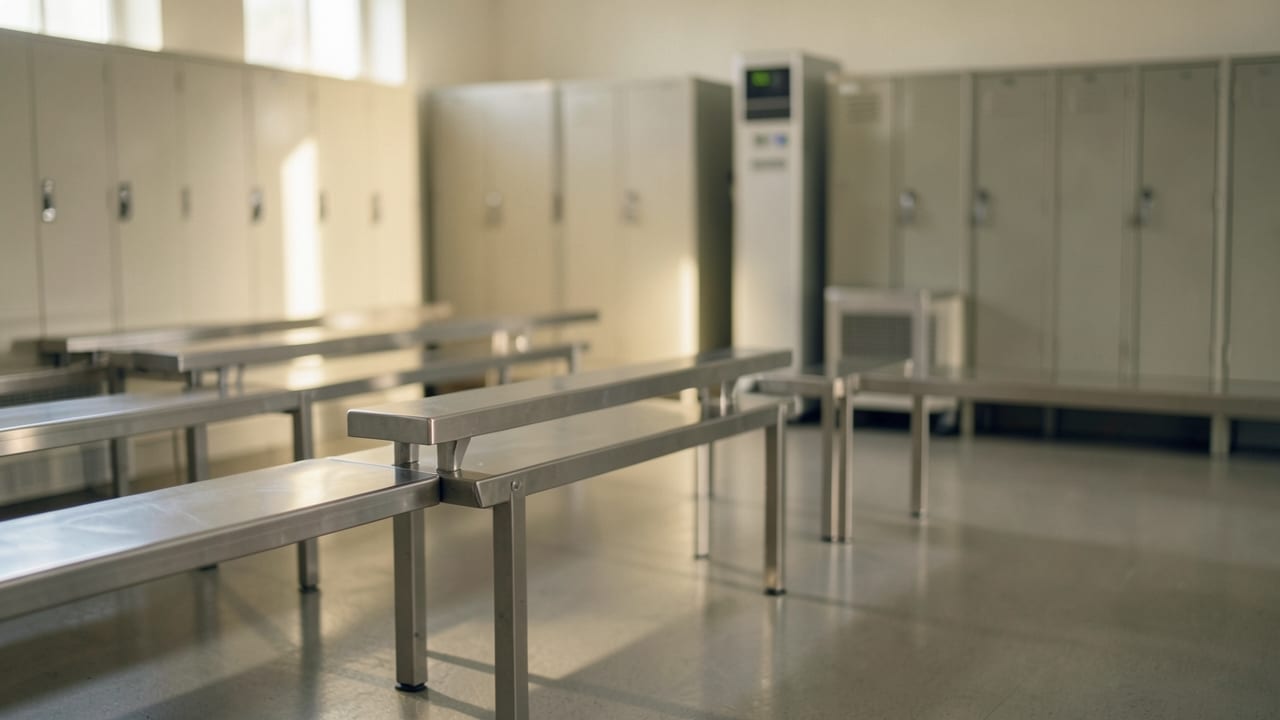
Gym Mold Remediation
Professional removal and treatment of mold in gyms to restore safe, clean environments.
Gym mold remediation in Santa Barbara addresses mold growth in fitness facilities, including walls, ceilings, and equipment areas. Specialized methods ensure thorough removal and containment to prevent health risks and structural damage, targeting moisture-prone spaces common in gyms.
Proper remediation includes containment, removal, HEPA air scrubbing, drying, and clearance testing to ensure safety and effectiveness.
We also handle Stone Countertop Mold Removal and Metal Ductwork Mold Remediation for Santa Barbara properties.
When to address gym mold
Mold in gyms often goes unnoticed until it spreads beyond a small patch. Visible signs include discoloration on walls, ceilings, or equipment, recurring growth after cleaning, or a persistent musty smell—especially when the HVAC system runs.
Hidden mold behind walls or under flooring may only reveal itself through a strong odor or visible damage after removal.
In California, mold covering more than 25 contiguous square feet typically requires professional remediation. If mold keeps returning in the same spot, it usually means the moisture source hasn’t been addressed.
A musty smell with no visible mold can indicate hidden growth, often linked to leaks, poor ventilation, or high humidity in enclosed spaces.
Signs You May Need Mold Remediation
- Mold covering more than a small, isolated patch (25+ square feet).
- Growth that returns after cleaning, especially in the same location.
- A musty smell with no visible mold, particularly when HVAC runs.
- Visible damage to walls, ceilings, or equipment, such as warping or discoloration.
- High humidity or water leaks near affected areas.
How mold remediation protects your gym
Proper mold remediation isn’t just about removing visible growth—it’s about preventing spores from spreading and ensuring the problem doesn’t return. Containment methods like plastic sheeting and negative-air machines keep spores from migrating to unaffected areas.
HEPA filtration captures spores during removal, while structural drying ensures moisture levels return to normal before the space is sealed back up.
Clearance testing confirms the job is complete by verifying spore counts are back to safe levels. Skipping containment or using non-HEPA equipment can recirculate spores, turning a contained job into a larger problem. Fixing the moisture source—whether a leak, condensation, or poor airflow—is critical to preventing regrowth.
What to expect during remediation
A professional remediation process follows strict steps to ensure safety and effectiveness. Containment isolates the affected area, removal targets porous and non-porous materials differently, and HEPA filtration prevents spores from spreading. Structural drying and clearance testing complete the process, confirming the space is safe before it’s reopened.
Post-remediation, monitoring humidity and airflow in the affected area helps catch early signs of recurrence. Fixing the moisture source—such as repairing leaks or improving ventilation—reduces the risk of mold returning. A musty smell or visible growth after remediation often signals unresolved moisture issues.
| Step | Purpose | Key Consideration |
|---|---|---|
| Containment | Isolates spores during removal | Plastic sheeting and negative-air machines prevent spread to unaffected areas. |
| Removal | Eliminates mold from porous and non-porous materials | Porous materials (e.g., drywall) are often discarded; non-porous surfaces (e.g., tile) are treated. |
| HEPA Filtration | Captures airborne spores during cleanup | Non-HEPA equipment recirculates spores, worsening contamination. |
| Structural Drying | Restores moisture levels to safe ranges | Industrial dehumidifiers ensure framing and subfloors dry completely. |
| Clearance Testing | Verifies spore counts are safe post-remediation | Independent testing confirms the job is complete. |
How gym mold remediation works
Remediation follows a structured process to safely remove mold and prevent recurrence.
- 1Containment
Plastic sheeting and negative-air machines seal off the affected area to prevent spores from spreading during removal. This step ensures unaffected spaces remain uncontaminated.
- 2Material Removal
Porous materials like drywall or carpet padding, which absorb mold, are cut out and bagged. Non-porous surfaces like tile or framing are scrubbed and treated to eliminate growth.
- 3HEPA Filtration
HEPA air scrubbers and vacuums capture airborne spores during cleanup. Standard shop vacuums or non-HEPA filters release spores back into the air, worsening contamination.
- 4Structural Drying
Industrial dehumidifiers and air movers reduce moisture levels in framing and subfloors to prevent regrowth. Mold regrows on damp materials even after visible traces are removed.
- 5Clearance Testing
An independent lab tests air or surfaces post-remediation to confirm spore counts are within safe ranges. This step ensures the job is complete before containment is removed.
Frequently asked questions
How do I know if the mold in my gym is severe enough to need professional remediation?
Mold covering more than 25 square feet, recurring growth after cleaning, or a musty smell with no visible mold are signs it’s past DIY scale. Hidden mold—like behind walls or in ductwork—often requires professional tools and expertise to address safely.
Can mold come back after remediation if I don’t fix the moisture source?
Yes. Removing mold without addressing leaks, condensation, or poor ventilation leaves materials exposed to moisture, leading to regrowth. Fixing the source—such as repairing a leak or improving airflow—is critical to long-term prevention.
Why is containment important during mold removal?
Containment prevents spores from spreading to unaffected areas during removal. A breach—like torn plastic or open doors—can turn a contained job into a larger contamination issue, requiring more extensive cleanup.
What should I look for in a mold remediation quote?
Ensure the quote includes inspection, containment, removal, drying, and clearance testing. Vague area estimates, lack of a written scope, or no mention of third-party testing can indicate incomplete or unreliable service.
Where Santa Barbara sits, and what the Census lists nearby
Santa Barbara sits in California, and the closest places listed in the U.S. Census Gazetteer are Mission Canyon (3.6 miles north), Montecito (4.7 miles east), Eastern Goleta Valley (4.9 miles northwest), Summerland (7.3 miles east).
Within 25 miles of Santa Barbara the same source lists 11 distinct incorporated places and census-designated places.
Those figures matter for gym mold remediation because they are straight-line distances between Census coordinate points: road mileage between Santa Barbara and Mission Canyon runs longer than the 3.6 miles shown, which is why quotes for the same job differ between towns that look close together on a map.
Source: U.S. Census Bureau Gazetteer.
See Mira Monte, CA for more, or explore everything on offer in Santa Barbara in detail for our complete lineup.
Ready to get started?
Talk to a local mold remediation pro in Santa Barbara — get a written quote.
Other Mold Remediation Services in Santa Barbara
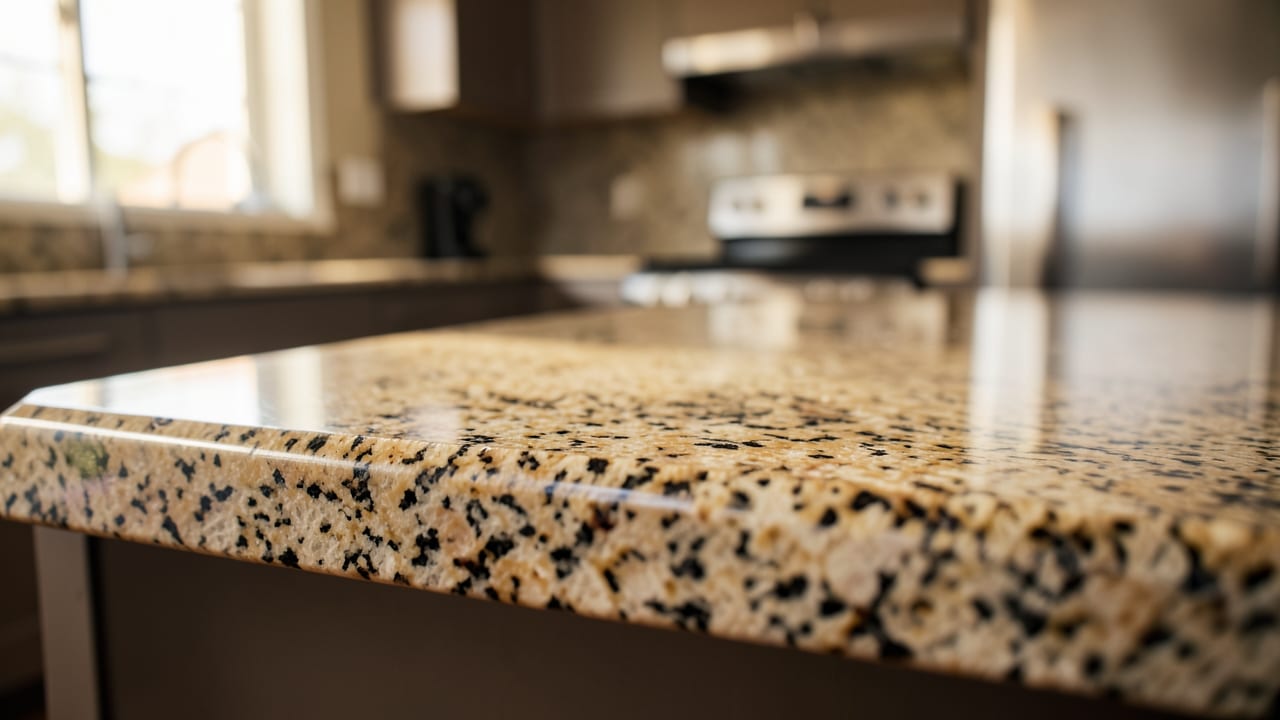
Stone Countertop Mold Removal in Santa Barbara, CA
Professional removal of mold from stone countertops using specialized cleaning and treatment methods.
Learn More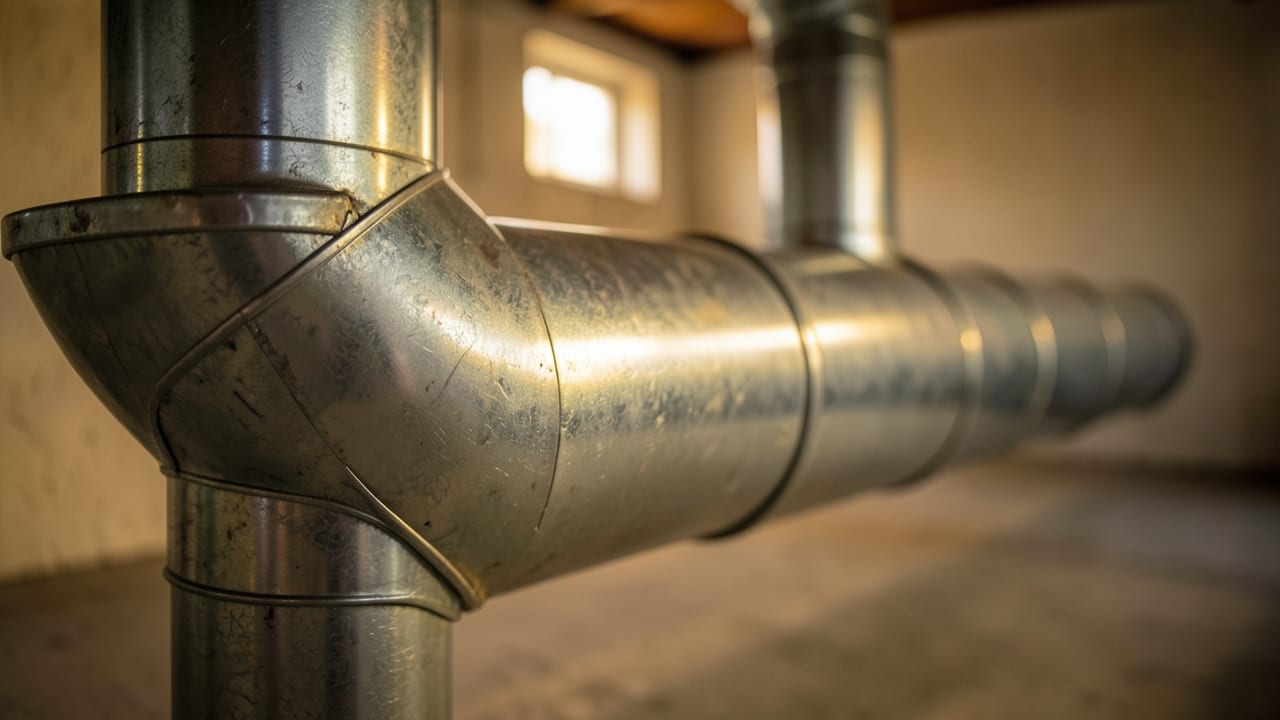
Metal Ductwork Mold Remediation in Santa Barbara, CA
Professional removal of mold from metal ductwork to restore indoor air quality.
Learn More
Glass Window Mold Removal in Santa Barbara, CA
Professional removal of mold from glass windows and frames to restore clarity and prevent spread.
Learn More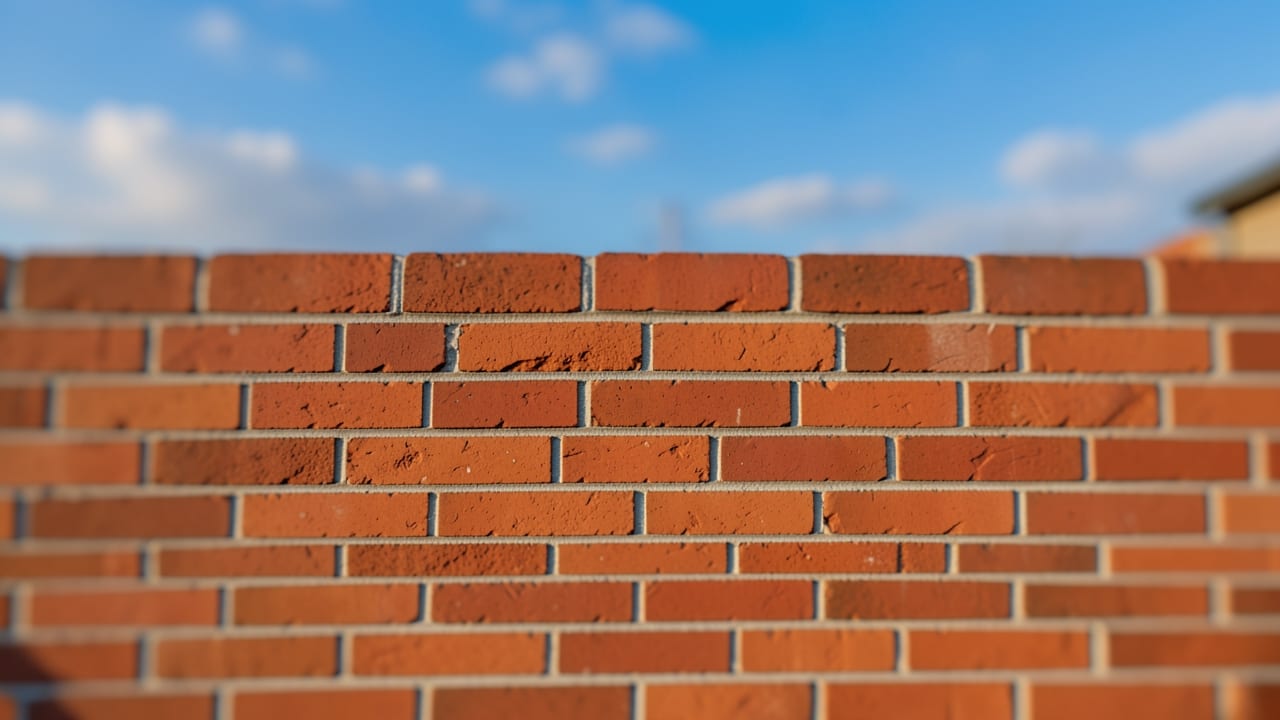
Brick Masonry Mold Treatment in Santa Barbara, CA
Professional mold treatment and removal from brick masonry to restore structural integrity and indoor air quality.
Learn More
Sunroom Mold Remediation in Santa Barbara, CA
Professional removal and treatment of mold in sunrooms to restore a safe, clean space.
Learn More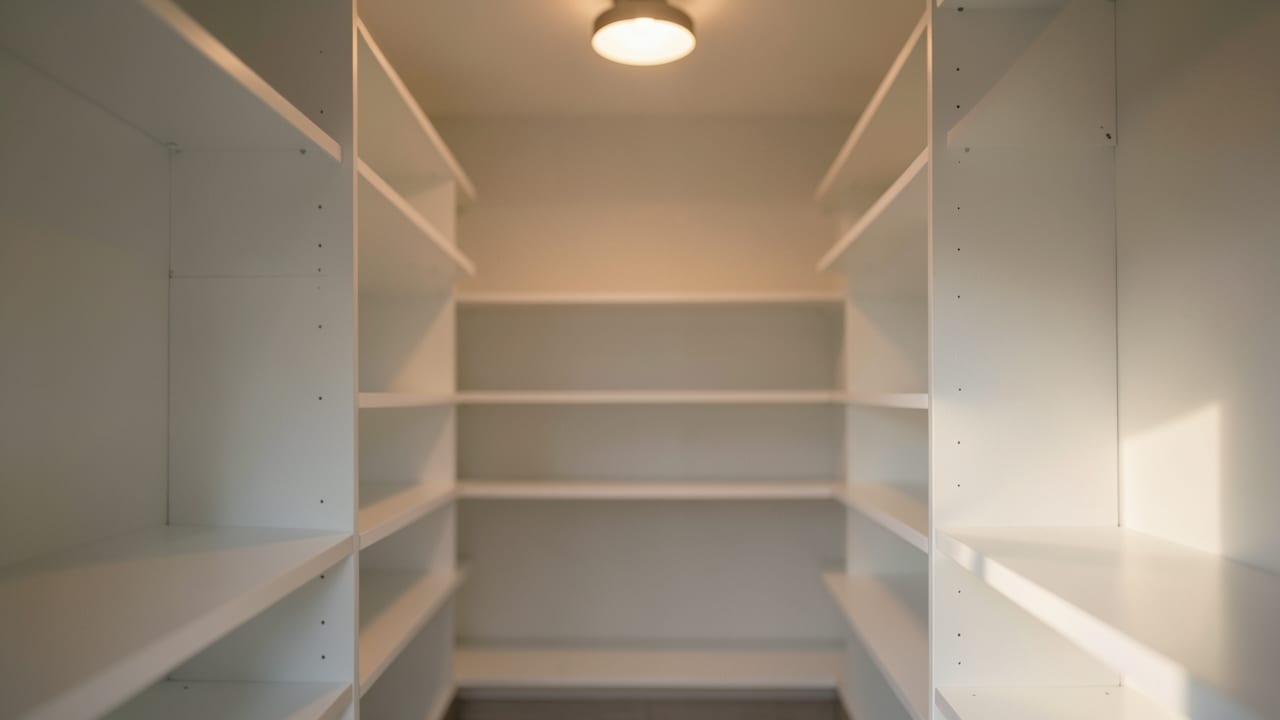
Closet Mold Cleanup in Santa Barbara, CA
Professional cleanup and removal of mold from closets to restore safe, healthy spaces.
Learn MoreCommon Questions About Mold Remediation in Santa Barbara
Everything you need to know about mold remediation services in Santa Barbara
How much does Gym Mold Remediation typically cost in Santa Barbara, CA?
Does coastal humidity around Santa Barbara, CA change how mold risk is assessed?
Is a final clearance test part of a typical mold remediation job?
How does mold remediation actually prevent the problem from coming back?
Can mold growing inside HVAC ductwork spread to the rest of a home?
Does mold mean the same thing as mildew?
Need Mold Remediation in Santa Barbara?
Connect with local providers in Santa Barbara for a detailed quote.
⏰ We answer your call • Serving all of Santa Barbara and surrounding areas