How to Tell Mold and Mildew Apart in Your Santa Barbara Home
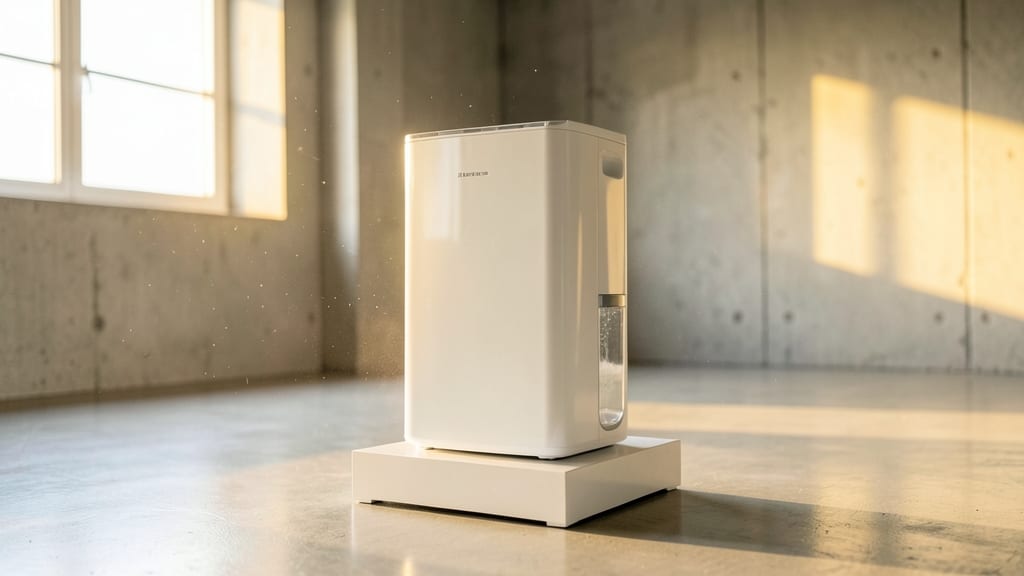
Santa Barbara’s coastal humidity creates ideal conditions for fungal growth, but not all dark spots are the same. Mold and mildew thrive in damp areas, yet they differ in appearance, health risks, and removal methods. Knowing the difference helps homeowners act before small patches turn into costly remediation projects.
Mold vs. Mildew: Core Differences
Mold is a fungus that penetrates surfaces, often appearing fuzzy or slimy in black, green, blue, or red hues. It spreads rapidly through spores and can damage structural materials like drywall, wood, and insulation over time.
Mildew is a surface-level fungus, typically white, gray, or yellow, with a powdery or downy texture. It’s easier to treat but still signals excess moisture that can escalate to mold if unaddressed.
| Feature | Mold | Mildew |
|---|---|---|
| Appearance | Fuzzy, slimy, or patchy; varies in color (black, green, red, blue) | Powdery or downy; white, gray, or yellow |
| Growth Pattern | Penetrates porous materials (drywall, wood, carpet) | Stays on surface (tiles, shower curtains, fabrics) |
| Health Impact | Can produce mycotoxins; triggers allergies, respiratory issues, or neurological symptoms | Mostly causes mild allergic reactions (sneezing, itchy eyes) |
| Removal Difficulty | Often requires professional remediation, especially for large or toxic strains | Usually treatable with household cleaners and scrubbing |
| Moisture Threshold | Thrives in sustained high humidity (60%+) or standing water | Grows in damp conditions but less aggressive than mold |
Where Each Thrives in Santa Barbara Homes
Mold often takes hold in hidden, high-moisture zones: under sinks, inside wall cavities after a pipe leak, or in crawl spaces where coastal humidity lingers. Attics with poor ventilation or roof leaks are also prime targets.
Mildew favors visible, frequently damp surfaces. Bathroom grout, shower corners, window sills in Montecito or Carpinteria homes, and laundry room walls commonly show early signs. It’s a warning sign of poor airflow or lingering moisture.
Both can appear in HVAC systems, where condensation and dust create a breeding ground. Regular duct inspections help catch growth before spores circulate through the home.
Mold behind drywall or under flooring can go unnoticed until structural damage or health symptoms appear. Musty odors often indicate hidden colonies.
Health Risks: When to Take Action
Mildew’s health effects are usually mild—sneezing, coughing, or skin irritation—but can worsen asthma or allergies. It’s more of a nuisance than a hazard for most people.
Mold poses greater risks. Common species like *Aspergillus* or *Stachybotrys* (black mold) may release mycotoxins, leading to chronic sinusitis, respiratory infections, or neurological issues with prolonged exposure.
Children, the elderly, and those with compromised immune systems are more vulnerable. In Santa Barbara’s older homes, where ventilation may be limited, mold can accumulate unnoticed in basements or enclosed sunrooms.
Visual and Sensory Clues
Mildew looks flat and may resemble dust or dirt until wiped. If it returns quickly after cleaning, moisture is still present. Mold, however, often has a three-dimensional, textured look and may darken or spread in irregular patterns.
Odor is another telltale sign. Mildew has a mild, earthy smell. Mold emits a strong, musty odor that persists even after cleaning. This scent is often the first indicator of a hidden problem in areas like Goleta or Isla Vista rentals with poor ventilation.
Color alone isn’t definitive—white mold can mimic mildew, while some mildew strains darken with age. A professional mold inspection with air quality testing can confirm the type and extent.
Dab a cotton swab with diluted bleach on the spot. If it lightens or disappears, it’s likely mildew. If it remains dark or spreads, it’s probably mold. Always wear gloves and a mask.
Prevention Strategies for Coastal Climates
Controlling humidity is critical in Santa Barbara’s marine layer climate. Dehumidifiers in basements or crawl spaces, exhaust fans in bathrooms and kitchens, and regular HVAC maintenance reduce moisture buildup.
Fix leaks promptly—whether from a roof in Mission Canyon, a pipe under a sink, or a sewer backup in a Carpinteria garage. Even small drips can sustain fungal growth within 24–48 hours.
Improve airflow by opening windows when weather permits, using ceiling fans, and ensuring attics and crawl spaces are properly ventilated. In newer builds, vapor barriers and moisture-resistant materials can help.
Moisture Control Checklist
- Install dehumidifiers in high-risk areas (basements, crawl spaces)
- Use bathroom and kitchen exhaust fans during and after showers/cooking
- Inspect roofs, gutters, and downspouts for leaks or clogs annually
- Seal gaps around windows and doors to prevent condensation
- Replace or clean HVAC filters every 1–3 months
- Store items off the floor in basements or garages to allow airflow
When to Call a Professional
Surface mildew can often be handled with a bleach solution (1 cup bleach to 1 gallon water) or commercial cleaners. Scrub the area, dry thoroughly, and monitor for recurrence.
For mold covering more than 10 square feet, or if it’s in HVAC systems, drywall, or insulation, professional remediation is recommended. Crews in the area typically use containment barriers, HEPA air scrubbers, and antimicrobial treatments to prevent cross-contamination.
Post-remediation, request a clearance test to confirm spore levels are safe. This is especially important before selling a home or after water damage in areas like Summerland or Toro Canyon.
Long-Term Solutions and Local Considerations
Santa Barbara’s proximity to the ocean means salt air can accelerate corrosion and moisture issues. Regularly inspect exterior surfaces, especially in beachfront homes from Channel Islands Beach to Port Hueneme, for signs of mold on siding or decks.
For recurring problems, consider moisture-resistant building materials like paperless drywall or closed-cell foam insulation. In historic homes, encapsulation of crawl spaces can prevent ground moisture from seeping in.
Rental properties and HOAs should include mold clauses in leases or bylaws, outlining responsibilities for prevention and remediation. Tenants in Isla Vista or UCSB housing should report leaks or musty odors immediately.
How to Test for Mold vs. Mildew at Home
A simple visual and tactile inspection can help distinguish between the two before deciding on next steps.
- 1Locate the Growth
Check common areas: bathrooms, kitchens, basements, attics, and around windows. Note the color, texture, and size of the spot.
- 2Assess the Surface
Mildew stays on the surface and can be wiped off temporarily. Mold may have already penetrated the material, making it harder to remove.
- 3Smell the Area
Mildew has a mild, earthy odor. Mold produces a strong, musty smell that lingers even after cleaning.
- 4Test with Bleach
Apply a drop of diluted bleach to the spot. If it lightens or disappears, it’s likely mildew. If it remains or darkens, it’s probably mold.
- 5Monitor for Recurrence
If the spot returns quickly after cleaning, moisture is still present. Address the source to prevent regrowth.
- 6Consider Professional Testing
For large or suspicious growth, a mold inspection with air and surface sampling can identify the species and spore count.
Frequently Asked Questions
Can mildew turn into mold in Santa Barbara’s climate?
Yes. Mildew indicates excess moisture, and if the conditions persist, mold can develop. Santa Barbara’s humidity and occasional indoor dampness create an environment where mildew can escalate to mold without intervention.
Is black mold the only dangerous type in Santa Barbara homes?
No. While *Stachybotrys* (black mold) is well-known for its toxicity, other molds like *Aspergillus*, *Penicillium*, and *Fusarium* can also pose health risks. Any mold covering a large area or in HVAC systems should be addressed professionally.
How do I prevent mold in my Carpinteria rental property?
Ensure proper ventilation in bathrooms and kitchens, fix leaks promptly, and use dehumidifiers in damp areas. Educate tenants on reporting moisture issues immediately and maintain regular inspections, especially in older buildings.
Are there natural ways to remove mildew without bleach?
Yes. White vinegar (undiluted) or a baking soda paste can effectively kill mildew. Spray vinegar, let it sit for an hour, then scrub and dry. For baking soda, mix with water to form a paste, apply, scrub, and rinse.
What’s the difference between mold remediation and mold removal?
Removal refers to eliminating visible mold, while remediation addresses the root cause—moisture—and includes containment, cleaning, and preventing recurrence. Remediation is a comprehensive process, often necessary for large or toxic infestations.
Can mold grow on non-porous surfaces like tile or glass in Santa Barbara homes?
Mold can grow on any surface if moisture and organic matter (like dust or soap scum) are present. On non-porous surfaces like tile or glass, it’s easier to clean, but the underlying cause—excess moisture—must still be addressed to prevent regrowth.