How Santa Barbara’s Coastal Climate Fuels Mold and Mildew Growth
Santa Barbara’s signature fog and mild, damp winters do more than shape the landscape—they create a near-perfect incubator for mold and mildew. Consistent moisture, poor airflow, and organic building materials turn hidden spaces into thriving colonies. Recognizing these local triggers is the first step in prevention and remediation.
The Marine Layer: A Persistent Moisture Source
The daily marine layer rolls in from the Pacific, saturating the air with humidity that lingers for hours. This prolonged exposure elevates indoor moisture levels, especially in unventilated areas like basements and crawl spaces.
Homes in Mission Canyon or Montecito, nestled against the foothills, often trap this moisture against cooler surfaces, accelerating condensation on walls, windows, and ductwork.
Mild Winters and Minimal Freeze-Thaw Cycles
Unlike colder climates, Santa Barbara’s winters rarely drop below freezing. This means mold spores—dormant in harsher regions—remain active year-round, colonizing surfaces whenever moisture and organic matter are present.
The absence of deep freezes also allows existing infestations to spread unchecked, particularly in attics and behind drywall where temperature fluctuations are minimal.
Mold thrives in temperatures between 77–86°F, a range Santa Barbara often hits even in winter. Without seasonal die-off, infestations can grow undetected for months.
Fog vs. Rain: Which Drives More Mold?
While heavy rain events like those in Goleta or Carpinteria cause obvious water intrusion, the region’s persistent fog is a stealthier culprit. Fog penetrates tiny gaps in siding, roofing, and window seals, depositing moisture deep into structural materials.
Rain may cause sudden leaks, but fog creates the chronic dampness that sustains mold colonies long after the storm passes.
| Factor | Fog Impact | Rain Impact |
|---|---|---|
| Moisture Depth | Penetrates micro-gaps, saturates materials slowly | Surface-level, but can pool quickly |
| Duration of Exposure | Hours daily, especially in summer | Intermittent, event-based |
| Detection Difficulty | High (hidden, gradual) | Low (visible leaks, stains) |
| Common Affected Areas | Attics, crawl spaces, exterior walls | Roofs, ceilings, basements |
Poor Ventilation in Coastal Homes
Many Santa Barbara homes, particularly older structures in areas like Isla Vista or Summerland, were built with minimal ventilation. Tightly sealed windows and doors—intended for energy efficiency—trap humid air inside.
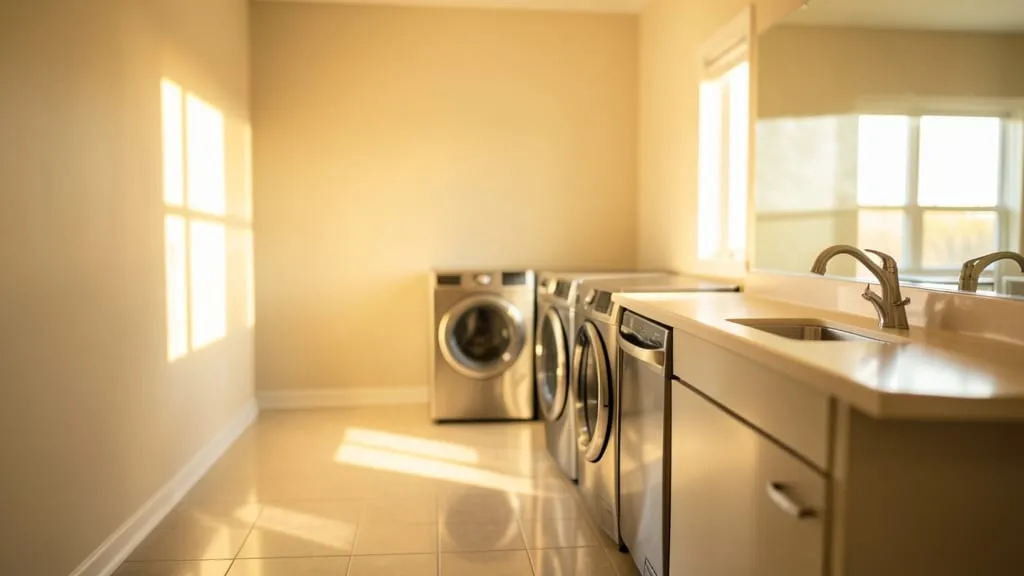
Bathrooms, kitchens, and laundry rooms without exhaust fans become hotspots. Even modern HVAC systems can distribute spores if ductwork harbors moisture or debris.
Organic Materials: Mold’s All-You-Can-Eat Buffet
Mold feeds on cellulose-rich materials common in local construction: drywall, wood framing, insulation, and even dust accumulating in air ducts. In coastal homes, salt air can degrade these materials faster, making them more susceptible.
Crawl spaces in Eastern Goleta Valley or Toro Canyon often contain exposed wood joists and subflooring—prime targets if moisture from the marine layer isn’t controlled.
Common Mold Food Sources in Homes
- Drywall and plaster
- Wood studs, joists, and subflooring
- Cardboard boxes in storage areas
- Carpet padding and backing
- HVAC duct insulation
- Fabric upholstery and curtains
Seasonal Shifts: When Mold Risk Peaks
Spring brings a surge in mold reports as the marine layer intensifies. Homeowners in Carpinteria or Montecito may notice musty odors or visible growth in basements and garages as temperatures rise.
Fall’s transition from dry summer to wet winter can also trigger outbreaks. As heating systems activate, spores dormant in dust or ductwork may reactivate and spread.
Prevention Strategies for Santa Barbara Homeowners
Controlling indoor humidity below 60% is critical. Dehumidifiers in crawl spaces and basements, particularly in areas like Goleta or University of California-Santa Barbara housing, can mitigate risk.
Regular inspections of roofs, gutters, and downspouts prevent water intrusion. Pay special attention to north-facing walls and shaded areas where moisture lingers longest.
Installing bathroom and kitchen exhaust fans that vent outside—not into attics—can reduce humidity significantly. Consider a whole-house ventilation system for older homes.
How to Inspect for Mold in a Santa Barbara Home
A thorough inspection focuses on moisture-prone areas and hidden spaces where mold thrives undetected.
- 1Check for Visible Signs
Look for discoloration (black, green, white, or gray spots) on walls, ceilings, and around windows. Pay attention to bathrooms, kitchens, and laundry rooms where humidity is highest.
- 2Follow Your Nose
Musty odors often indicate hidden mold. Trace smells to their source, especially in crawl spaces, attics, or behind furniture.
- 3Inspect for Water Damage
Examine areas with past leaks, such as under sinks, around toilets, and near HVAC units. Stains, peeling paint, or warped materials signal prolonged moisture exposure.
- 4Use a Moisture Meter
A moisture meter can detect elevated levels in drywall, wood, or other materials before mold becomes visible. Readings above 15–20% warrant further investigation.
- 5Assess Ventilation and Airflow
Ensure vents and exhaust fans are functional and not blocked. Poor airflow in closets, attics, or crawl spaces can trap humidity and accelerate mold growth.
- 6Consider Professional Testing
If you suspect hidden mold but can’t locate it, a professional mold inspection with air quality testing can identify spores and their concentration levels.
Frequently Asked Questions
Why is mold more common in Santa Barbara than in drier areas like Ojai or Santa Ynez?
Santa Barbara’s proximity to the coast means higher humidity, frequent fog, and milder temperatures—all ideal for mold. Inland areas like Ojai or Santa Ynez have lower humidity and more temperature variation, which inhibits growth.
Can the marine layer cause mold in newer homes?
Yes. Even modern, well-sealed homes in areas like Isla Vista or Goleta can trap moisture from the marine layer. Poor ventilation or undetected leaks in newer construction can still create conditions for mold.
What are the first signs of mold in a crawl space?
Musty odors, visible fungal growth on joists or insulation, and elevated humidity levels are early indicators. In Santa Barbara, crawl spaces often lack vapor barriers, making them particularly vulnerable.
Does mold grow faster in rental properties near UCSB?
Rental properties, especially in high-density areas like Isla Vista, often experience mold due to poor maintenance, high tenant turnover, and inadequate ventilation. Shared walls and older plumbing can also contribute to moisture issues.
How does salt air from the coast affect mold growth?
Salt air can degrade building materials over time, making them more porous and susceptible to moisture absorption. This accelerates mold colonization in exterior walls, decks, and other exposed surfaces.
Are there specific neighborhoods in Santa Barbara more prone to mold?
Areas with older homes, dense fog coverage, or poor drainage—such as Mission Canyon, Montecito, or parts of Goleta—tend to have higher mold incidence. Proximity to the coast and elevation also play a role.