How Humidity Fuels Mold Growth and the Role of Inspections in Santa Barbara
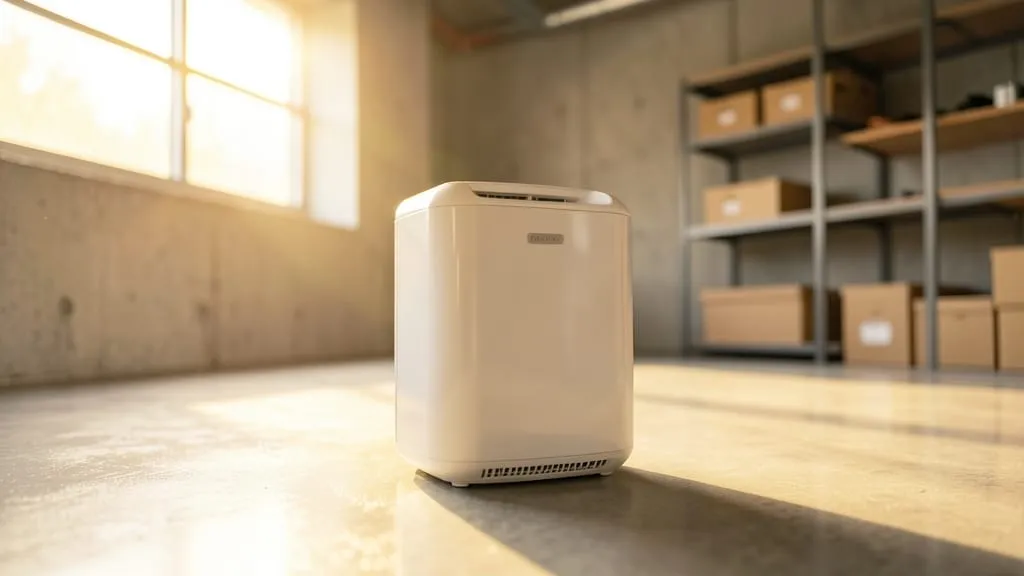
Santa Barbara’s marine layer and persistent humidity create ideal conditions for mold colonization. Without targeted inspections, moisture can linger unseen in walls, attics, or crawl spaces, accelerating spore germination and structural damage. Early detection hinges on understanding how humidity interacts with building materials and local climate patterns.
Why Santa Barbara’s Climate Accelerates Mold Growth
The region’s coastal fog and moderate temperatures maintain relative humidity above 60% for extended periods. This sustained moisture allows spores to germinate on organic surfaces like wood, drywall, and insulation within 24–48 hours.
Marine layer events, common in spring and summer, trap moisture against exterior walls. Poorly ventilated spaces—attics, crawl spaces, and basements—become high-risk zones where humidity exceeds 70%, the threshold for active mold proliferation.
The Science of Humidity and Spore Germination
Mold requires three conditions: spores, a food source, and moisture. In Santa Barbara, the first two are ever-present; humidity provides the third. Water activity (aw) above 0.65 in materials enables metabolic processes in fungi.
Psychrometrics reveals that even air at 50% RH can cause condensation on surfaces below the dew point. In poorly insulated homes, temperature differentials between interior and exterior walls create microclimates ripe for colonization.
Common Humidity Hotspots in Local Homes
Bathrooms without exhaust fans or with leaky plumbing traps moisture in drywall and subflooring. Kitchens, especially near dishwashers and sinks, often show early signs under cabinets or behind backsplashes.
Crawl spaces in older Santa Barbara homes frequently lack vapor barriers, allowing ground moisture to wick into joists and insulation. Attics with inadequate ventilation accumulate heat and humidity, fostering growth on roof decking and rafters.
How Mold Inspections Detect Hidden Moisture
Professional inspections begin with non-invasive tools: moisture meters pinpoint elevated levels in materials, while thermal imaging cameras reveal temperature anomalies indicating trapped water. These methods expose leaks behind drywall or under flooring without demolition.
Air sampling and surface testing identify spore types and concentrations, distinguishing between normal background levels and active infestations. In Santa Barbara, Aspergillus and Penicillium species dominate due to the humid, temperate climate.
| Tool | Primary Use | Limitation |
|---|---|---|
| Moisture Meter (Pin-Type) | Measures moisture in wood, drywall, and other materials | Cannot detect moisture behind vapor barriers |
| Thermal Imaging Camera | Identifies temperature differences indicating moisture or air leaks | Requires significant temperature differentials to be effective |
| Air Sampling (Spore Trap) | Quantifies and identifies airborne mold spores | Does not distinguish between live and dead spores |
| Surface Sampling (Tape Lift) | Collects mold from visible growth for lab analysis | Limited to accessible, visible areas |
The Link Between Poor Ventilation and Persistent Humidity
Homes with sealed windows and outdated HVAC systems often recirculate humid air, especially during Santa Barbara’s foggy mornings. Without mechanical ventilation, moisture from cooking, showering, or even breathing accumulates indoors.
Crawl space vents can backfire in coastal areas, pulling in damp marine air. Encapsulation with a vapor barrier and conditioned air supply is a more reliable solution for these environments.
Install exhaust fans in bathrooms and kitchens rated for continuous operation. Consider a heat-recovery ventilator (HRV) to exchange stale indoor air with fresh, drier outdoor air without significant energy loss.
Structural Vulnerabilities in Santa Barbara’s Older Homes
Many pre-1980s properties lack modern moisture barriers in walls and foundations. Stucco exteriors, common in Spanish Colonial and Mediterranean styles, can trap water if not properly maintained, leading to efflorescence and mold behind the finish.
Flat or low-slope roofs, typical in mid-century designs, are prone to ponding water and leaks. Regular inspections of roof membranes and drainage systems are critical to prevent water intrusion into attics and ceilings.
Preventive Measures to Control Indoor Humidity
Dehumidifiers rated for the space’s square footage can maintain RH below 50%. In crawl spaces, a dedicated dehumidifier with a condensate pump prevents standing water.
Sealing air leaks around windows, doors, and electrical penetrations reduces the influx of humid outdoor air. Upgrading to double-pane windows with low-E coatings also minimizes condensation on interior surfaces.
Humidity Control Checklist for Homeowners
- Use bathroom and kitchen exhaust fans for at least 20 minutes after use
- Maintain indoor humidity between 30-50% with a hygrometer
- Inspect and clean gutters and downspouts seasonally to prevent roof leaks
- Ensure crawl spaces have a vapor barrier and proper drainage
- Service HVAC systems annually to prevent condensate pan overflows
When to Schedule a Professional Mold Inspection
Visible mold, musty odors, or recent water damage warrant an inspection. Less obvious signs include peeling paint, warped flooring, or unexplained respiratory issues among occupants.
In Santa Barbara, homes near the coast or in low-lying areas like Isla Vista or Goleta should consider annual inspections due to higher humidity exposure. Pre-purchase inspections are also critical for real estate transactions in older neighborhoods like Mission Canyon.
Consumer-grade test kits often lack the precision to identify hidden moisture sources or distinguish between mold types. Professional inspections use calibrated equipment and follow industry protocols for accurate assessment.
How to Prepare for a Mold Inspection in a Humid Climate
Taking these steps ensures the inspector can access critical areas and obtain accurate readings.
- 1Clear Access Points
Move stored items away from walls, especially in basements, attics, and crawl spaces. Inspectors need at least 18 inches of clearance to examine surfaces and use equipment.
- 2Document Known Issues
Note any past water leaks, condensation problems, or musty odors. Provide maintenance records for HVAC systems, roofs, and plumbing to help identify recurring moisture sources.
- 3Control Indoor Conditions
Avoid using humidifiers or dehumidifiers 24 hours before the inspection. This allows the inspector to measure the home’s natural humidity levels and moisture distribution.
- 4Secure Pets and Occupants
Keep pets in a separate area and inform household members about the inspection timeline. Some tools, like thermal cameras, require quiet, undisturbed environments for accurate readings.
- 5Provide Utility Access
Ensure electricity and water are turned on. Inspectors may need to test plumbing fixtures, run HVAC systems, or use outlets for moisture meters and other diagnostic tools.
Frequently Asked Questions
Does high humidity always mean mold will grow in my Santa Barbara home?
Not always, but sustained humidity above 60% significantly increases the risk. Mold also requires a food source (like wood or drywall) and stagnant air. Proper ventilation and moisture control can mitigate growth even in humid conditions.
Can mold grow in new construction homes in Santa Barbara?
Yes. Building materials like drywall and wood can arrive with moisture from manufacturing or storage. Poor construction practices, such as improper flashing or missing vapor barriers, can also introduce moisture. Post-construction inspections are advisable.
How does the marine layer affect indoor mold risk?
The marine layer introduces cool, moisture-laden air that condenses on warmer interior surfaces. Homes without adequate insulation or ventilation are particularly vulnerable, as this condensation provides the moisture mold needs to thrive.
What’s the difference between a mold inspection and mold testing?
An inspection is a visual and instrumental assessment of a property to identify moisture sources, visible mold, and conditions conducive to growth. Testing involves collecting air or surface samples for lab analysis to identify spore types and concentrations.
Are certain neighborhoods in Santa Barbara more prone to mold issues?
Areas closer to the coast, such as Isla Vista, Goleta, and parts of Montecito, experience higher humidity and fog exposure. Older homes in Mission Canyon or Eastern Goleta Valley may also have structural vulnerabilities that increase mold risk.
Can dehumidifiers alone solve a mold problem?
Dehumidifiers help control moisture but won’t address existing mold or its root cause, such as a leak or poor ventilation. Remediation requires identifying and fixing the moisture source, removing contaminated materials, and preventing recurrence.